
Blog
Protein Foods During Pregnancy: Easy Choices for Every Diet

Introduction
Quick answer: Protein foods during pregnancy include eggs, poultry, lean meat, lower-mercury fish, beans, lentils, tofu, yogurt, cheese, nuts, seeds, and fortified foods. Spread protein over meals and snacks rather than relying on one large serving. Cook animal foods thoroughly and choose pasteurized dairy.
Protein is made of amino acids that your body uses to maintain tissues and support pregnancy growth. A protein food can be animal-based or plant-based. The most useful choice is one that is safe, tolerated, affordable, and part of a varied meal. This guide explains what to choose, how to build meals, and when a symptom needs medical advice. Use it as a practical starting point, then adapt it to your own care plan.
Protein Foods During Pregnancy: the main idea
Protein foods during pregnancy include eggs, poultry, lean meat, lower-mercury fish, beans, lentils, tofu, yogurt, cheese, nuts, seeds, and fortified foods. Spread protein over meals and snacks rather than relying on one large serving. Cook animal foods thoroughly and choose pasteurized dairy. The most helpful approach is to make a few safe choices consistently instead of chasing a perfect menu or avoiding a long list of foods without a clear reason.
Pregnancy nutrition is personal. Appetite, culture, budget, allergies, activity, medical history, and the number of babies you are carrying can all change the right plan. If your clinician has given you a specific diet, use that advice first.
Benefits and importance
Protein helps meals feel satisfying, which can be useful when hunger is strong or portions are small. It also pairs well with carbohydrate foods to provide steadier energy.
Animal foods provide complete protein, while plant foods bring protein with fiber and other nutrients. A varied vegetarian or vegan pattern can work, but B12, iron, iodine, calcium, vitamin D, and omega-3 fats deserve planning.
Food safety is part of protein choice. Use well-cooked eggs and meat, lower-mercury fish, pasteurized dairy, and safe storage. Raw sprouts and undercooked animal foods can carry infection risks.
There is no need to buy a powder just because its label says pregnancy. Supplements can contain herbs, high doses, or ingredients your clinician does not recommend. Ask before using one.
Step-by-step guide
1. Choose a breakfast protein
Eggs, yogurt, cottage cheese, milk, tofu, nut butter, seeds, or beans can fit morning meals.
Try this: Add Greek-style yogurt to oats or spread nut butter on toast.
2. Build lunch around a protein
Use beans, lentils, chicken, tofu, eggs, or fish low in mercury in wraps, bowls, soups, or salads.
Try this: Keep cooked lentils ready for a quick grain bowl.
3. Use small snack portions
Nuts, seeds, cheese, yogurt, hummus, or a boiled egg can add protein without a large meal.
Try this: Pack crackers and cheese when appetite is unpredictable.
4. Cook safely
Cook eggs until firm, meat until safe internal temperatures, and seafood until opaque and flaky. Choose pasteurized dairy and keep foods cold.
Try this: Use a thermometer when cooking chicken or reheating leftovers.
5. Plan plant protein
Combine beans, lentils, tofu, tempeh, nuts, seeds, and grains over the day. Ask a dietitian to review restrictive diets.
Try this: Use tofu in a stir-fry and lentils in soup during the same week.
6. Match the plan to symptoms
If nausea or reflux is present, use mild, soft, or cold protein foods. If kidney disease or another condition is present, follow medical limits.
Try this: A chilled yogurt or soft egg may be easier than grilled meat on a difficult day.
Protein ideas across a day
This is a sample pattern, not a required menu. Swap ingredients that do not suit your culture, budget, allergies, or symptoms. Keep perishable foods cold and ask your clinician about portions if you have diabetes, kidney disease, severe nausea, or another condition.
- Breakfast: eggs with toast, or yogurt with oats and seeds.
- Snack: apple with peanut butter or cheese with crackers.
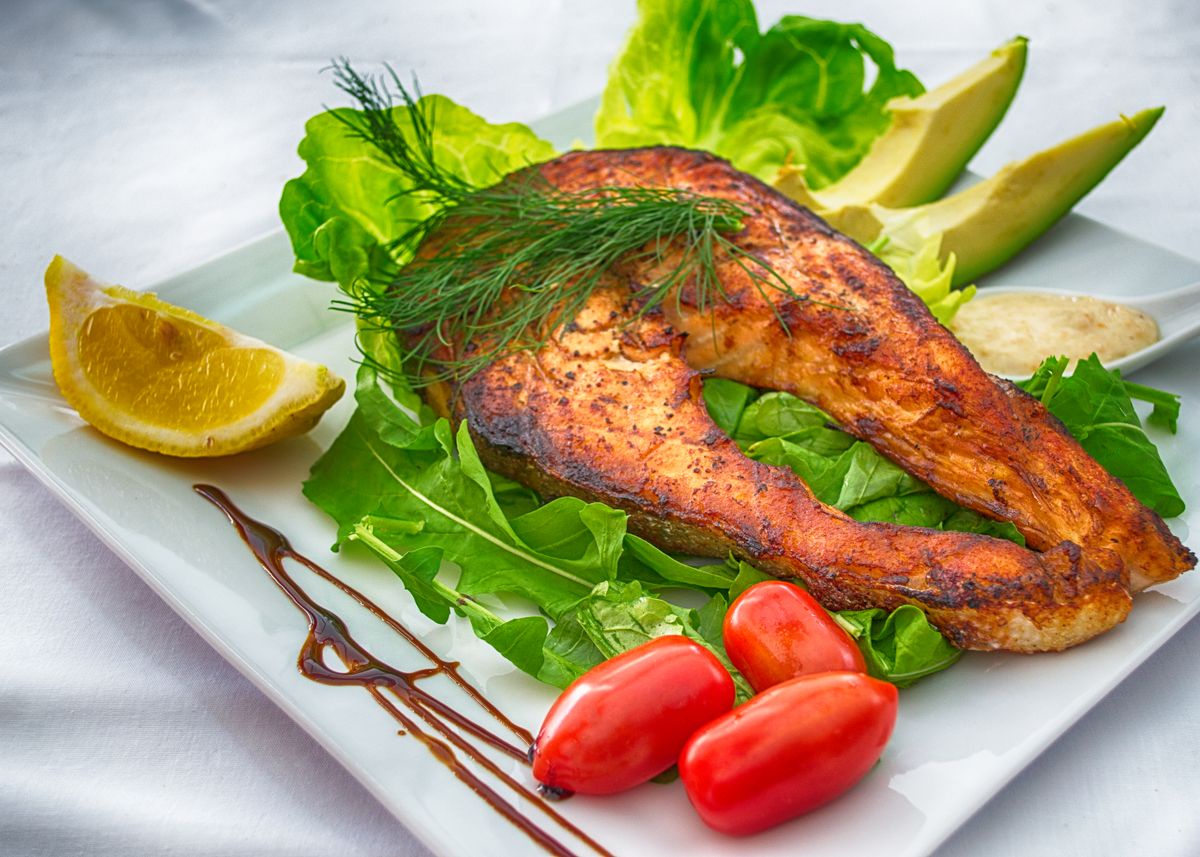
- Lunch: lentil soup, tofu bowl, chicken wrap, or salmon salad.
- Snack: hummus with pita and cucumber.
- Dinner: beans, poultry, tofu, or low-mercury fish with rice and vegetables.
- Vegetarian backup: fortified yogurt, tofu, lentils, and a nut or seed topping.
Common mistakes to avoid
Small changes usually work better than strict rules. Watch for these common problems:
- Treating protein powder as required
- Eating undercooked meat or eggs for protein
- Forgetting protein on nausea days
- Assuming one plant food must provide every nutrient
- Using high-protein diets without considering kidney or medical conditions
Expert tips for real life
- Cook beans in batches and freeze portions
- Choose plain yogurt and add fruit yourself
- Keep shelf-stable nuts or seed butter nearby
- Use a food thermometer
- Ask about B12 and iron on vegetarian or vegan diets
Related Pregnetic guides
For a simple breakfast example, see Are Corn Flakes Good for Pregnancy?.
If you are checking meat and food-safety choices, read Can I Eat Bacon During Pregnancy?.
For a related hydration and symptom question, see Are Dry Lips a Sign of Pregnancy?.
Trusted sources
These sources offer current, evidence-based pregnancy and food-safety guidance:
Frequently asked questions
How much protein do I need during pregnancy?
Needs vary with body size, activity, health, and pregnancy. Include protein foods at regular meals and ask your clinician or dietitian for a personal target.
What are the best protein foods during pregnancy?
Eggs, poultry, lean meat, lower-mercury fish, beans, lentils, tofu, yogurt, cheese, nuts, and seeds are practical options.
Can I use protein powder while pregnant?
Ask your prenatal clinician first. Products vary, and some contain herbs, stimulants, or high amounts of nutrients.
Are beans enough protein in pregnancy?
Beans can contribute important protein and fiber. A varied diet can combine them with grains, tofu, nuts, seeds, eggs, or dairy depending on your pattern.
Is Greek yogurt safe in pregnancy?
It can be a useful protein food when made with pasteurized milk and kept refrigerated.
What if meat makes me nauseated?
Try eggs, dairy, tofu, beans, lentils, nuts, seeds, or chilled foods. Call your care team if nausea prevents overall intake.
Use this protein foods during pregnancy guide as a starting point, then adjust it with your prenatal clinician for your health, symptoms, and food preferences.
Conclusion
Protein Foods During Pregnancy is less about one perfect food and more about a safe, varied pattern that you can maintain. Choose foods you tolerate, include the nutrients your clinician has highlighted, and make practical substitutions when appetite or energy changes.
If symptoms make eating or drinking difficult, ask for help early. Your prenatal team can review weight, blood tests, supplements, food safety, and any medical condition that changes your needs. This article is for general education and does not replace personal advice, diagnosis, or treatment from a licensed healthcare professional.