
Blog
Healthy Pregnancy Lunch Ideas: Easy, Filling, and Safe Meals

Introduction
Quick answer: Healthy pregnancy lunch ideas usually combine a protein, a grain or potato, vegetables or fruit, and a calcium food when practical. Try bean bowls, chicken wraps, lentil soup, cooked fish with rice, tofu noodles, or egg sandwiches. Keep cold foods cold, heat deli meat until steaming when advised, and use safe leftovers.
A healthy pregnancy lunch does not need a complicated recipe or a large salad. It should be satisfying, safe, and realistic for the place where you eat. A lunch formula makes substitutions easy when appetite or ingredients change. This guide explains what to choose, how to build meals, and when a symptom needs medical advice. Use it as a practical starting point, then adapt it to your own care plan.
Healthy Pregnancy Lunch Ideas: the main idea
Healthy pregnancy lunch ideas usually combine a protein, a grain or potato, vegetables or fruit, and a calcium food when practical. Try bean bowls, chicken wraps, lentil soup, cooked fish with rice, tofu noodles, or egg sandwiches. Keep cold foods cold, heat deli meat until steaming when advised, and use safe leftovers. The most helpful approach is to make a few safe choices consistently instead of chasing a perfect menu or avoiding a long list of foods without a clear reason.
Pregnancy nutrition is personal. Appetite, culture, budget, allergies, activity, medical history, and the number of babies you are carrying can all change the right plan. If your clinician has given you a specific diet, use that advice first.
Benefits and importance
Lunch often falls between appointments, work, errands, and fatigue. A repeatable formula prevents the long afternoon gap that can worsen nausea or lead to a rushed choice.
Protein and fiber can help lunch last longer. Beans, lentils, eggs, chicken, tofu, fish, whole grains, fruit, and vegetables all bring useful pieces.
Food safety matters in lunchboxes. Use an insulated bag and ice pack for cold foods, refrigerate leftovers promptly, and check how long a meal has been at room temperature.
A lunch can also support nutrients that are easy to miss. Add a calcium food, use iron-rich beans or meat, and pair plant iron with vitamin C foods when it fits.
Step-by-step guide
1. Use the lunch formula
Choose one protein, one carbohydrate, two produce items when possible, and one sauce or calcium food. This keeps the meal flexible.
Try this: Swap chicken for tofu or beans without changing the whole bowl.
2. Pick a safe base
Rice, quinoa, potatoes, whole-grain bread, or pasta can work hot or cold. Use the texture that your stomach accepts.
Try this: Cook extra grains at dinner for a next-day lunch.
3. Add protein
Use fully cooked chicken, eggs, beans, lentils, tofu, or fish low in mercury. Keep portions practical, not oversized.
Try this: Add chickpeas to pasta or a firm egg to toast.
4. Make produce convenient
Washed fruit, cooked vegetables, cucumber, carrots, or a side of soup can add color and fiber. Wash produce before cutting.
Try this: Keep frozen cooked vegetables for a microwave lunch.
5. Pack it safely
Use a clean container, cold pack, and prompt refrigeration. Reheat leftovers thoroughly and avoid foods with uncertain storage.
Try this: Label leftovers with the date before putting them in the fridge.
6. Plan a backup
Keep a shelf-stable option for days when a meeting or nausea changes the plan. Crackers, nut butter, fortified cereal, and canned beans can help.
Try this: Store a sealed snack kit at work or in the car, away from heat.
Twelve lunch combinations
This is a sample pattern, not a required menu. Swap ingredients that do not suit your culture, budget, allergies, or symptoms. Keep perishable foods cold and ask your clinician about portions if you have diabetes, kidney disease, severe nausea, or another condition.
- Chicken, avocado, and lettuce wrap with fruit.
- Lentil soup with whole-grain bread and yogurt.
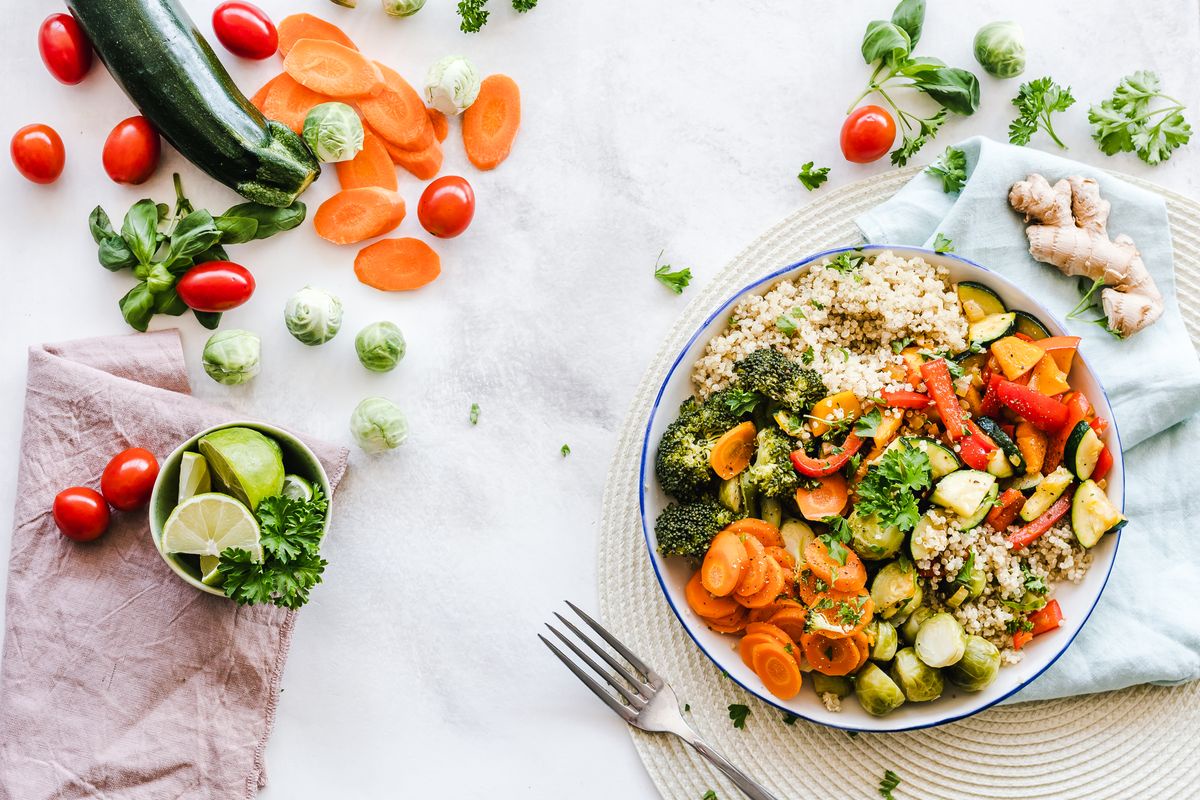
- Quinoa, chickpea, cucumber, and tomato bowl.
- Baked salmon with rice and cooked broccoli.
- Tofu noodles with carrots and zucchini.
- Firm egg sandwich with a side of orange segments.
Common mistakes to avoid
Small changes usually work better than strict rules. Watch for these common problems:
- Packing food without an ice pack
- Relying on raw salad when cooked foods feel better
- Forgetting a protein food
- Eating cold deli meat without checking current guidance
- Making lunch so large that reflux gets worse
Expert tips for real life
- Pack sauce separately
- Use a thermos for soup
- Keep fruit washed and ready
- Make two lunches from one dinner
- Ask restaurants about pasteurization and cooking when uncertain
Related Pregnetic guides
For a simple breakfast example, see Are Corn Flakes Good for Pregnancy?.
If you are checking meat and food-safety choices, read Can I Eat Bacon During Pregnancy?.
For a related hydration and symptom question, see Are Dry Lips a Sign of Pregnancy?.
Trusted sources
These sources offer current, evidence-based pregnancy and food-safety guidance:
Frequently asked questions
What makes a healthy pregnancy lunch?
Combine protein, a grain or potato, produce, and a calcium food when possible. Keep preparation and storage safe.
Can I eat a chicken salad sandwich during pregnancy?
Yes when the chicken is fully cooked, refrigerated promptly, and prepared on a clean surface. Be careful with deli-style salads that have uncertain storage.
Are leftovers safe for lunch?
They can be when cooled and refrigerated promptly, kept cold, and reheated thoroughly. Follow your local food-safety guidance.
What can I pack for work without a fridge?
Use an insulated bag and ice pack. Shelf-stable options include nut butter, whole-grain crackers, fortified cereal, canned beans, and unopened pasteurized drinks.
What is a good vegetarian pregnancy lunch?
Try lentil soup, tofu grain bowls, bean wraps, hummus with pita, or egg and cheese sandwiches with washed produce.
How can lunch help with nausea?
Use smaller portions, mild flavors, cold foods, and a snack before the stomach is empty. Call your care team for severe vomiting.
Use this healthy pregnancy lunch ideas guide as a starting point, then adjust it with your prenatal clinician for your health, symptoms, and food preferences.
Conclusion
Healthy Pregnancy Lunch Ideas is less about one perfect food and more about a safe, varied pattern that you can maintain. Choose foods you tolerate, include the nutrients your clinician has highlighted, and make practical substitutions when appetite or energy changes.
If symptoms make eating or drinking difficult, ask for help early. Your prenatal team can review weight, blood tests, supplements, food safety, and any medical condition that changes your needs. This article is for general education and does not replace personal advice, diagnosis, or treatment from a licensed healthcare professional.