Blog
Are Corn Flakes Good for Pregnancy? Benefits, Risks, and Better Ways to Eat Them

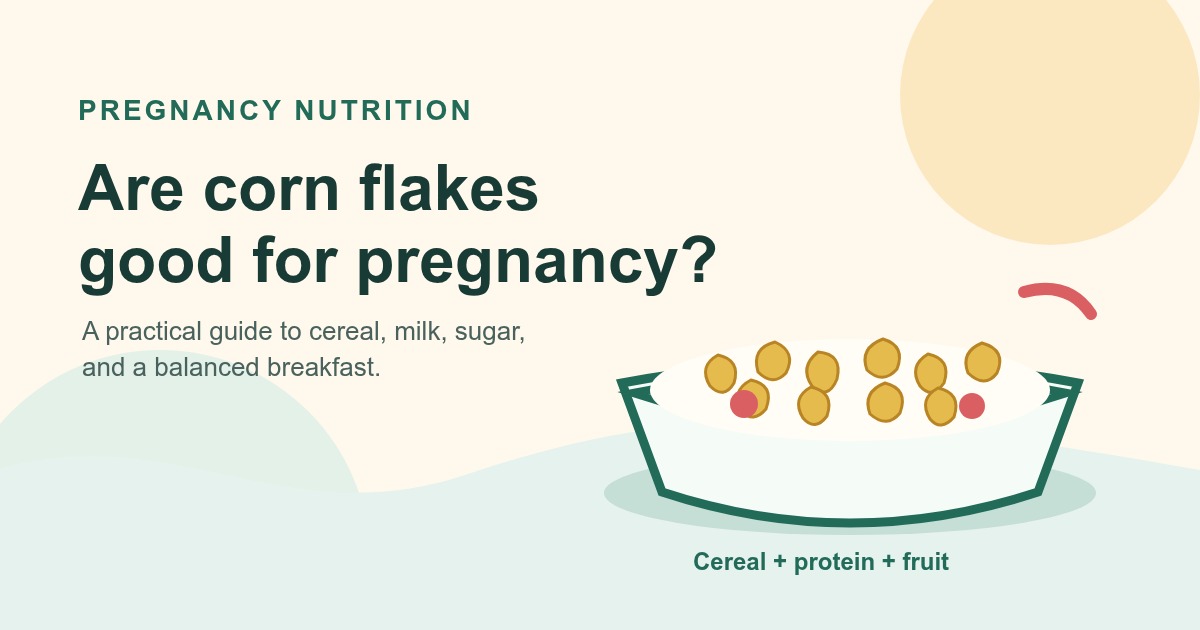
If you are asking, are corn flakes good for pregnancy, the short answer is yes for most people. A bowl of corn flakes can provide quick energy, and fortified brands may add iron and folic acid. However, corn flakes alone often contain little protein and fiber. Therefore, the best pregnancy breakfast pairs cereal with milk or yogurt, fruit, and another nutrient-rich food.
This guide explains are corn flakes good for pregnancy questions in simple terms. You will learn how to read the nutrition label, choose a lower-sugar cereal, keep milk safe, and build a breakfast that supports your needs. Because every pregnancy is different, speak with your doctor or midwife if you have gestational diabetes, celiac disease, severe vomiting, or another medical condition.
Table of Contents
- The short answer
- What corn flakes provide
- What to watch on the label
- How to build a balanced bowl
- Corn flakes during different pregnancy needs
- Frequently asked questions
- Conclusion
So, are corn flakes good for pregnancy?
For most pregnant people, plain or lightly sweetened corn flakes can fit into a healthy diet. The cereal is usually easy to eat, which can help when nausea makes heavier foods unappealing. Also, many products contain added vitamins and minerals. These may include folic acid, iron, vitamin B12, and vitamin D.
Still, corn flakes are not a complete meal. They are mainly a refined carbohydrate, so they can digest quickly and leave you hungry soon afterward. As a result, the quality of the whole bowl matters more than the cereal by itself. Add protein, fruit, and healthy fat to make the meal more filling and balanced.
So, are corn flakes good for pregnancy depends on the brand, portion, and serving foods.
What corn flakes provide during pregnancy
Quick carbohydrates for energy
Pregnancy increases the need for steady energy. Corn flakes provide carbohydrates, which your body turns into glucose for fuel. That is one reason people ask, are corn flakes good for pregnancy, when they need a quick meal. They can work well as a light breakfast or snack, especially when your appetite is low. However, carbohydrates work best when you combine them with protein and fiber.
Fortified vitamins and minerals
Many corn flake brands add nutrients during processing. Check the Nutrition Facts label for iron and folic acid. Iron supports healthy red blood cells, while folic acid helps support early fetal development. When considering are corn flakes good for pregnancy, remember that fortification can help, but cereal should not replace a prenatal vitamin prescribed or recommended by your healthcare professional.
Also check the serving size. A label may list nutrients for one cup, while a large bowl may hold two or three cups. Therefore, the calories, sugar, and sodium can quickly add up if you pour without measuring. These label details answer many are corn flakes good for pregnancy questions.
What to watch for when choosing corn flakes
Added sugar
Some corn flakes contain more added sugar than they taste like they do. Therefore, the answer to are corn flakes good for pregnancy also depends on the label. Compare brands and choose one with little or no added sugar when possible. You can add sweetness with banana, berries, chopped pear, or cinnamon. This approach also adds fiber and other useful nutrients.
Low protein and fiber
Traditional corn flakes often provide less protein and fiber than oats, bran cereal, or whole-grain flakes. Low fiber can make it harder to feel full and may not help pregnancy-related constipation. If you enjoy corn flakes, mix them with a high-fiber cereal or add fruit, chia seeds, ground flaxseed, or nuts if those foods suit you.
Milk and food safety
Use pasteurized milk, yogurt, or a fortified dairy-free alternative. Avoid unpasteurized milk because it can carry harmful germs. In this way, are corn flakes good for pregnancy includes a food-safety question, not only a nutrition question. Keep milk cold, wash fruit before cutting it, and clean the bowl and spoon. These small steps matter because pregnancy can increase the risk of serious illness from some foodborne infections.
Allergens and special diets
Read the ingredient list if you have an allergy or intolerance. Corn flakes may contain malt flavoring, which can come from barley and may not suit someone with celiac disease. Products also vary in their gluten-free labeling. When in doubt, choose a clearly labeled product and ask your clinician or dietitian for personal advice.
How to build a balanced corn flakes breakfast
When you wonder, are corn flakes good for pregnancy, use the bowl-building method below. It keeps the meal simple while adding nutrients that the cereal may lack. This is also the practical way to make are corn flakes good for pregnancy a more useful everyday choice.
- Start with a sensible portion. Use the serving size on the package as a guide. Then adjust it to your hunger and nutrition plan.
- Add protein. Choose pasteurized milk, Greek yogurt, cottage cheese on the side, or a boiled egg. Protein can help you stay satisfied for longer.
- Add colorful produce. Try berries, banana, peaches, or grated apple. Wash fresh produce well before eating it.
- Add healthy fat if it works for you. A spoonful of nut butter, a few walnuts, or ground seeds can add staying power. Avoid any food that causes an allergy.
- Drink water. Water supports hydration and can help fiber do its job. It also makes a sugary drink less necessary.
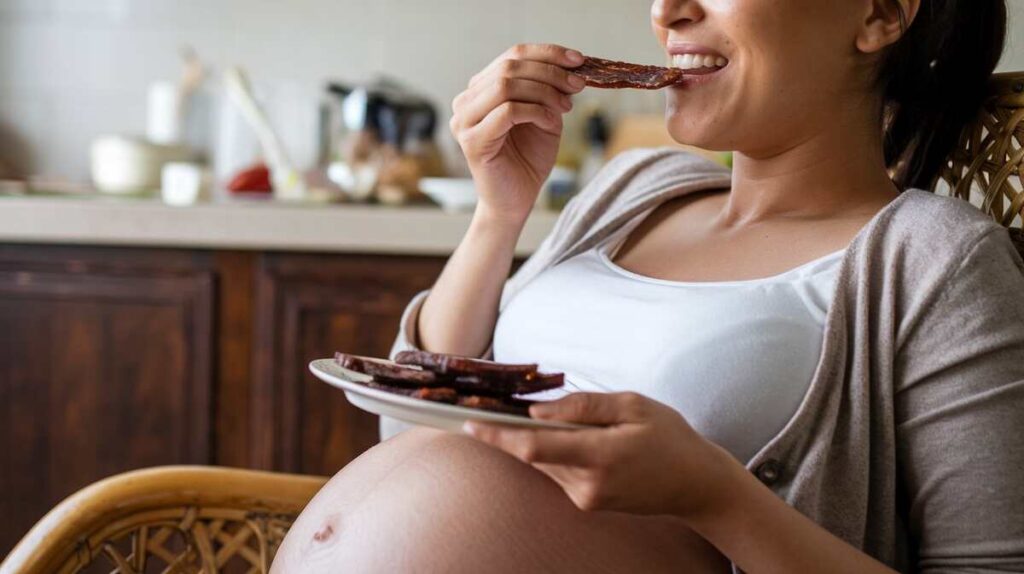
For example, corn flakes with pasteurized milk, sliced banana, and walnuts create a more balanced meal than cereal alone. If you like bananas during pregnancy, read our guide to safe bananas and common pregnancy questions. If you prefer a savory side, our guide to safe bacon during pregnancy explains why thorough cooking and portion awareness matter.
Corn flakes for common pregnancy needs
Morning sickness
Dry cereal may feel easier to tolerate than a rich meal when nausea is strongest. That explains why are corn flakes good for pregnancy can be a useful question in the first trimester. Eat a few flakes slowly and keep water nearby. However, do not rely on cereal alone for many days if you cannot keep other foods down. Contact your healthcare professional if vomiting is severe, you cannot stay hydrated, or you are losing weight.
Gestational diabetes
People with gestational diabetes may need to watch the amount and type of carbohydrate at breakfast. Consequently, are corn flakes good for pregnancy may have a different answer for someone managing blood glucose. Corn flakes can raise blood glucose quickly because they are refined and often low in fiber. So, ask your diabetes care team whether corn flakes fit your meal plan. They may suggest a smaller serving paired with protein or a higher-fiber alternative.
Constipation
Constipation is common during pregnancy, but corn flakes alone may not provide enough fiber. Choose fruit, seeds, vegetables, beans, or a high-fiber cereal across the day. Increase fiber gradually and drink enough water. If constipation is painful, persistent, or linked with bleeding, ask a clinician for advice.
Iron and folic acid needs
Fortified cereal can contribute to iron and folic acid intake. Nevertheless, the amount varies widely by product, so are corn flakes good for pregnancy still requires a label check. Read the label and follow your prenatal care plan. Do not take extra supplements simply because a cereal label lists a nutrient. Too much of some vitamins or minerals can be harmful.
Frequently asked questions
Are corn flakes good for pregnancy every day?
Are corn flakes good for pregnancy every day? They can be part of a varied diet if you choose a suitable product and balance the bowl. Rotate breakfast foods such as oats, whole-grain toast, eggs, yogurt, and fruit so you get a wider range of nutrients.
Can I eat corn flakes in the first trimester?
Yes. If corn flakes help you eat during the first trimester, a small bowl can be a practical option. Choose pasteurized milk and add protein when you can. However, call your care team if nausea or vomiting prevents you from eating and drinking normally.
Are corn flakes safe with cold milk during pregnancy?
Yes, provided the milk is pasteurized and has stayed properly refrigerated. This is another part of are corn flakes good for pregnancy that is easy to control at home. Check the package, keep the milk cold, and return it to the refrigerator promptly. The temperature of the milk matters less than pasteurization and safe storage.
Are corn flakes good for pregnancy with gestational diabetes?
They may not be the best choice for everyone with gestational diabetes because they can digest quickly. Your glucose readings and care plan should guide your choice. Ask your diabetes team about portion size, protein pairings, and lower-sugar or higher-fiber alternatives.
Can corn flakes replace a prenatal vitamin?
No. Fortified cereal can add nutrients, but it cannot reliably replace a prenatal vitamin or a personalized meal plan. Therefore, are corn flakes good for pregnancy should never be read as a reason to stop a supplement. Continue the supplement recommended by your healthcare professional, and ask before changing it.
When should I ask a doctor about my breakfast choices?
Ask for help if you have diabetes, celiac disease, a food allergy, anemia, severe nausea, or a condition that affects nutrition. Also seek advice if you are losing weight or cannot keep fluids down. For other pregnancy symptoms, read our guide to when white discharge is normal and when to call a doctor.
Trusted sources
For evidence-based guidance, review the American College of Obstetricians and Gynecologists nutrition guidance, the FDA food-safety advice for pregnant people, and the USDA MyPlate pregnancy and breastfeeding resources. These resources explain balanced eating, food safety, and nutrient needs.
Conclusion
So, are corn flakes good for pregnancy? For most people, yes, when the cereal has a reasonable sugar level, the milk is pasteurized, and the bowl includes protein and produce. Corn flakes can be useful when you need a quick or gentle breakfast. However, they work best as one part of a varied eating pattern, not as your only source of nutrition.
Compare labels, watch portions, and choose foods that you can tolerate. If a health condition changes your nutrition needs, follow the plan from your doctor, midwife, or registered dietitian. A simple, balanced bowl can fit comfortably into a healthy pregnancy routine.
Related Posts
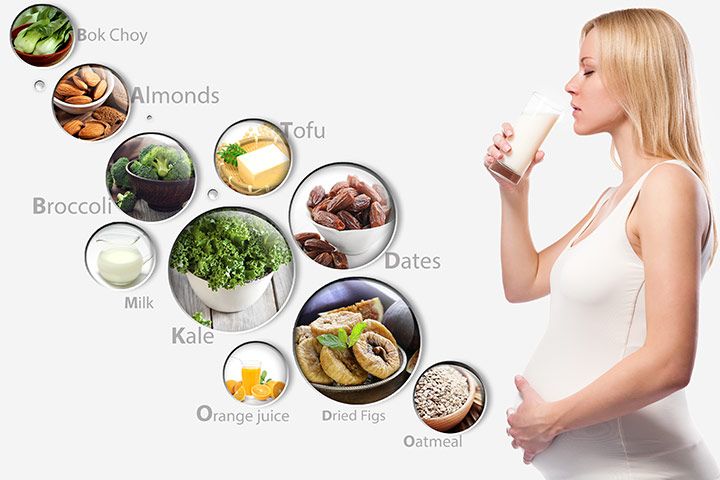
10 Best calcium Rich Foods During Pregnancy: A Practical Daily Guide

Explore calcium rich foods during pregnancy, dairy-free choices, label tips, and how to fit calcium into balanced meals safely.