Blog
10 Best calcium Rich Foods During Pregnancy: A Practical Daily Guide

Introduction
Quick answer: Calcium rich foods during pregnancy include pasteurized milk, yogurt, cheese, calcium-fortified plant drinks, calcium-set tofu, canned salmon or sardines with bones, and some leafy greens. Most adults need about 1,000 mg daily, while pregnant teens generally need 1,300 mg. Your clinician can tailor the goal and supplement plan.
Calcium supports bones and teeth, muscle movement, nerves, and many body functions. During pregnancy, the diet should provide calcium regularly, but a large supplement is not automatically better than food and professional guidance. This guide explains what to choose, how to build meals, and when a symptom needs medical advice. Use it as a practical starting point, then adapt it to your own care plan.
Calcium Rich Foods During Pregnancy: the main idea
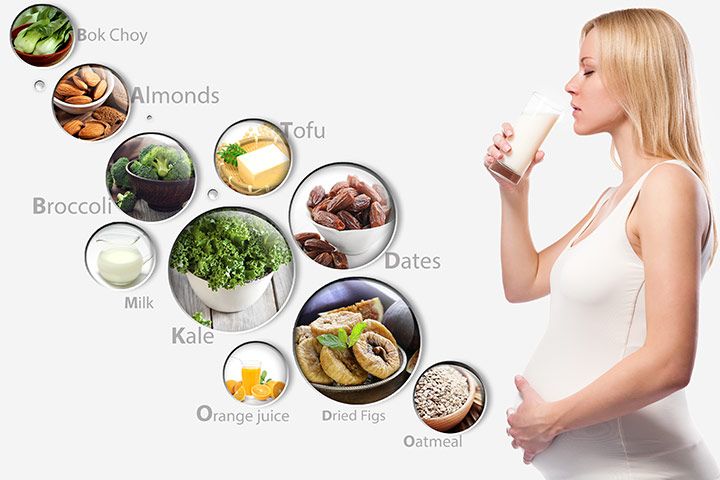
Calcium rich foods during pregnancy include pasteurized milk, yogurt, cheese, calcium-fortified plant drinks, calcium-set tofu, canned salmon or sardines with bones, and some leafy greens. Most adults need about 1,000 mg daily, while pregnant teens generally need 1,300 mg. Your clinician can tailor the goal and supplement plan. The most helpful approach is to make a few safe choices consistently instead of chasing a perfect menu or avoiding a long list of foods without a clear reason.
Pregnancy nutrition is personal. Appetite, culture, budget, allergies, activity, medical history, and the number of babies you are carrying can all change the right plan. If your clinician has given you a specific diet, use that advice first.
Benefits and importance
The developing baby uses calcium, and your body also needs it for muscles and nerves. A regular intake helps avoid relying on one large serving at the end of the day.
Dairy is convenient, but it is not the only source. Fortified soy drink, calcium-set tofu, canned fish with bones, yogurt, cheese, and some vegetables can help people with different diets.
Calcium absorption can vary by food and supplement. Vitamin D status, timing, and the type of supplement matter. Ask your clinician if you have a deficiency risk or take thyroid, iron, or other medicines.
Food labels are useful. A plant drink may contain very different calcium amounts from another brand, and some are not fortified. Choose pasteurized products and refrigerate them correctly.
Step-by-step guide
1. Pick a morning source
Start with milk, yogurt, fortified cereal, or a fortified plant drink. Check that the product is pasteurized and fortified.
Try this: Use milk in oatmeal or yogurt with fruit if you prefer cold food.
2. Add a lunch source
Cheese, yogurt dressing, calcium-set tofu, or a fortified drink can fit with lunch. Use the label to estimate rather than guessing.
Try this: Add tofu to a rice bowl or cheese to a bean wrap.
3. Use food at snacks
A yogurt cup, cheese and crackers, or a fortified smoothie may be easier than a large serving with dinner.
Try this: Keep single servings ready in the refrigerator.
4. Choose plant foods wisely
Some greens, beans, almonds, and canned fish contribute calcium, though amounts and absorption vary. Variety is more reliable than one vegetable.
Try this: Add calcium-set tofu to soup or use tahini in a sauce if it fits your diet.
5. Review supplement timing
Calcium can interfere with absorption of some medicines and iron products. Ask your clinician how to space them.
Try this: Follow the exact instructions on your prenatal vitamin and separate supplement if prescribed.
6. Check your personal need
Teen pregnancy, lactose intolerance, vegan eating, bone disease, thyroid medicine, and kidney conditions can change the plan.
Try this: Bring product labels to an appointment if you are unsure about a serving.
A calcium-friendly day
This is a sample pattern, not a required menu. Swap ingredients that do not suit your culture, budget, allergies, or symptoms. Keep perishable foods cold and ask your clinician about portions if you have diabetes, kidney disease, severe nausea, or another condition.
- Breakfast: fortified oats with milk or a calcium-fortified soy drink.
- Snack: yogurt with fruit, if tolerated.
- Lunch: calcium-set tofu, beans, rice, and cooked vegetables.
- Snack: cheese and whole-grain crackers.
- Dinner: salmon with edible bones or another protein with greens and potatoes.
- Supplement note: ask how calcium fits with iron, thyroid medicine, or other prescriptions.
Common mistakes to avoid
Small changes usually work better than strict rules. Watch for these common problems:
- Assuming every plant drink is fortified
- Taking a large calcium dose without reviewing the prenatal vitamin
- Using unpasteurized dairy because it is local or homemade
- Counting a food as calcium-rich without checking the label
- Taking calcium and iron together when a clinician advised spacing them
Expert tips for real life
- Keep a photo of your favorite product labels
- Choose pasteurized dairy
- Use fortified soy drink for a higher-protein alternative
- Add calcium foods in two or three small servings
- Ask about vitamin D if intake or sunlight is limited
Related Pregnetic guides
For a simple breakfast example, see Are Corn Flakes Good for Pregnancy?.
If you are checking meat and food-safety choices, read Can I Eat Bacon During Pregnancy?.
For a related hydration and symptom question, see Are Dry Lips a Sign of Pregnancy?.
Trusted sources
These sources offer current, evidence-based pregnancy and food-safety guidance:
Frequently asked questions
How much calcium do I need during pregnancy?
Many adults need about 1,000 mg per day and pregnant teens about 1,300 mg, but your clinician should personalize the target.
What are the best calcium rich foods during pregnancy?
Milk, yogurt, cheese, fortified drinks, calcium-set tofu, canned fish with bones, and selected vegetables can all contribute.
Is milk required during pregnancy?
No. Dairy-free choices can work when they are fortified and fit your diet. Check the calcium label.
Can I take calcium with my prenatal vitamin?
Maybe, but timing matters for some nutrients and medicines. Ask your clinician or pharmacist how to space the products.
Does calcium prevent pregnancy leg cramps?
Calcium is important for health, but supplements do not automatically prevent cramps. Discuss persistent or painful cramps with your clinician.
Can I eat soft cheese for calcium?
Choose soft cheese made with pasteurized milk and store it safely. Check the label when uncertain.
Use this calcium rich foods during pregnancy guide as a starting point, then adjust it with your prenatal clinician for your health, symptoms, and food preferences.
Conclusion
Calcium Rich Foods During Pregnancy is less about one perfect food and more about a safe, varied pattern that you can maintain. Choose foods you tolerate, include the nutrients your clinician has highlighted, and make practical substitutions when appetite or energy changes.
If symptoms make eating or drinking difficult, ask for help early. Your prenatal team can review weight, blood tests, supplements, food safety, and any medical condition that changes your needs. This article is for general education and does not replace personal advice, diagnosis, or treatment from a licensed healthcare professional.