
Blog
10 Best Pregnancy Diet Month 6 Foods: A Balanced Plan for Weeks 23 to 27

Introduction
Quick answer: Pregnancy diet month 6 works best as smaller, regular meals with protein, iron-rich foods, calcium, fiber, fruit, vegetables, whole grains, and fluids. Fullness, heartburn, leg cramps, and constipation can shape the menu. Keep following food-safety guidance and ask your clinician about any new or severe symptom.
Month 6 commonly covers weeks 23 through 27, near the end of the second trimester. The baby and your body continue to grow, so a steady food pattern is more useful than a large increase in portion size. This guide explains what to choose, how to build meals, and when a symptom needs medical advice. Use it as a practical starting point, then adapt it to your own care plan.
Pregnancy Diet Month 6: the main idea
Pregnancy diet month 6 works best as smaller, regular meals with protein, iron-rich foods, calcium, fiber, fruit, vegetables, whole grains, and fluids. Fullness, heartburn, leg cramps, and constipation can shape the menu. Keep following food-safety guidance and ask your clinician about any new or severe symptom. The most helpful approach is to make a few safe choices consistently instead of chasing a perfect menu or avoiding a long list of foods without a clear reason.
Pregnancy nutrition is personal. Appetite, culture, budget, allergies, activity, medical history, and the number of babies you are carrying can all change the right plan. If your clinician has given you a specific diet, use that advice first.
Benefits and importance
Iron, protein, calcium, iodine, and vitamin D continue to matter. You can meet some needs through meals, while a prenatal supplement may cover nutrients that are difficult to get consistently.
Heartburn and fullness can make a large plate unappealing. Small meals, slower eating, and staying upright after meals may improve comfort for some people.
Fiber and fluids support bowel regularity. Beans, oats, fruit, vegetables, and whole grains are helpful, but increase fiber gradually so bloating does not become worse.
Food is not a treatment for every pregnancy symptom. Severe swelling, headache, vision changes, persistent vomiting, bleeding, pain, or reduced fetal movement later in pregnancy need medical advice rather than a diet experiment.
Step-by-step guide
1. Shrink portions, not variety
If large meals feel uncomfortable, keep the same food groups in smaller amounts. Two small plates may be easier than one large plate.
Try this: Eat half a grain bowl at lunch and the rest later if storage is safe.
2. Keep protein regular
Use eggs, yogurt, beans, fish low in mercury, poultry, tofu, nuts, and seeds across the day.
Try this: Add chickpeas to soup or a boiled egg to a snack plate.
3. Support iron and blood volume
Continue iron foods and take supplements only as directed. Report unusual fatigue, shortness of breath, or dizziness for evaluation.
Try this: Pair lentils with tomatoes or meat with cooked peppers.
4. Plan calcium and fluids
Include pasteurized dairy or fortified alternatives and keep fluids nearby. Ask about individualized limits if you have a medical condition.
Try this: Use a milk-based smoothie or yogurt bowl when chewing is tiring.
5. Tame reflux gently
Notice whether spicy, fatty, acidic, or late meals trigger symptoms. Do not stop nutritious foods automatically; change timing and portions first.
Try this: Choose a smaller dinner and sit upright while digesting.
6. Prepare for the next trimester
Stock freezer meals, review your prenatal plan, and ask what symptoms require a call. Planning now can help when mobility and energy change.
Try this: Label frozen soup, grains, and cooked beans with dates and portions.
A comfortable month 6 day
This is a sample pattern, not a required menu. Swap ingredients that do not suit your culture, budget, allergies, or symptoms. Keep perishable foods cold and ask your clinician about portions if you have diabetes, kidney disease, severe nausea, or another condition.
- Breakfast: yogurt, oats, banana, and pumpkin seeds.
- Snack: whole-grain toast with nut butter.
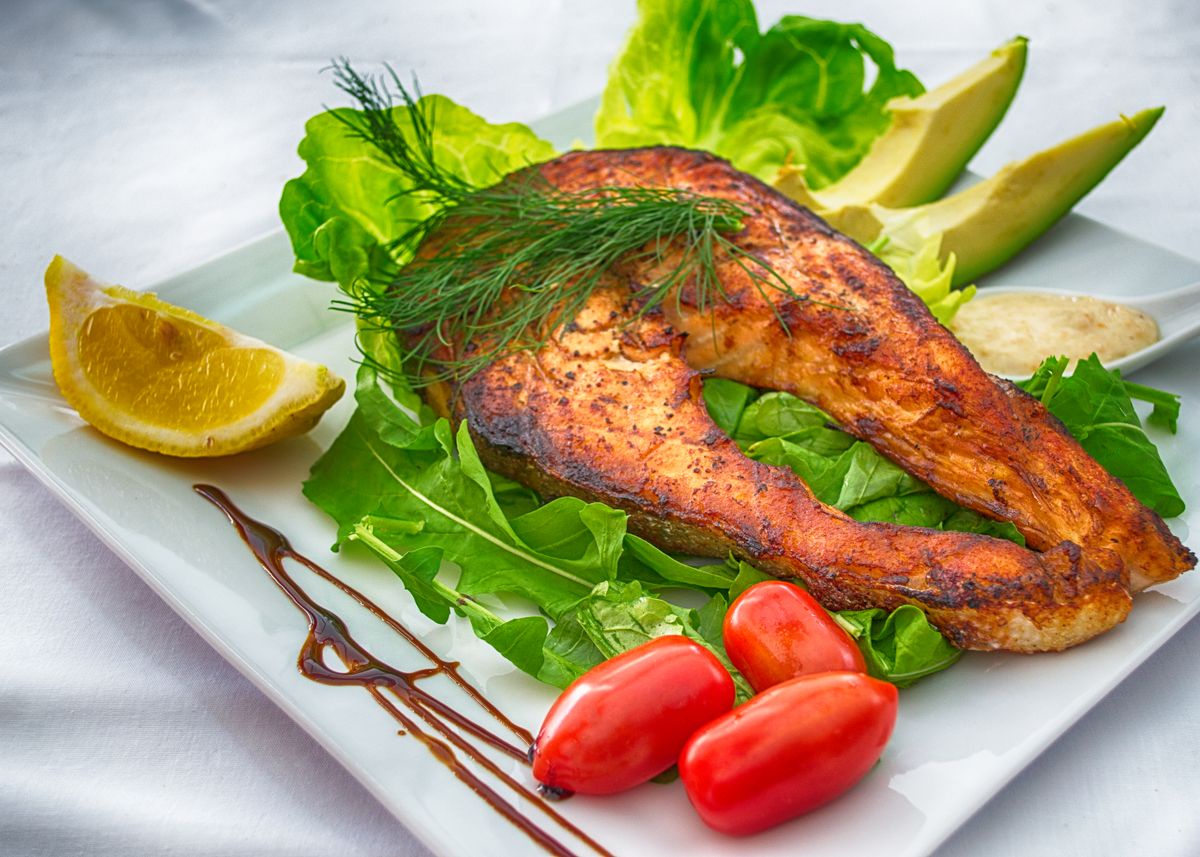
- Lunch: small portions of chicken or tofu, rice, avocado, and cooked vegetables.
- Snack: fruit with cheese or a fortified drink.
- Dinner: lentils or low-mercury fish with potato and greens.
- Before bed: a small snack only if hunger or your clinician’s plan makes it useful.
Common mistakes to avoid
Small changes usually work better than strict rules. Watch for these common problems:
- Pushing through heartburn with very large meals
- Taking extra minerals for leg cramps without advice
- Reducing fluids to avoid bathroom trips
- Ignoring changes in fetal movement later in pregnancy
- Using online pregnancy month charts as medical instructions
Expert tips for real life
- Eat sitting upright and slowly
- Keep protein snacks near your usual chair
- Freeze food in single portions
- Ask about iron results and supplement side effects
- Keep emergency contact information easy to find
Related Pregnetic guides
For a simple breakfast example, see Are Corn Flakes Good for Pregnancy?.
If you are checking meat and food-safety choices, read Can I Eat Bacon During Pregnancy?.
For a related hydration and symptom question, see Are Dry Lips a Sign of Pregnancy?.
Trusted sources
These sources offer current, evidence-based pregnancy and food-safety guidance:
Frequently asked questions
What foods are important in pregnancy diet month 6?
Keep protein, iron, calcium, fiber, fluids, fruit, vegetables, and whole grains in regular rotation. Your clinician may add personalized goals.
Why do I feel full so quickly in month 6?
The growing uterus and digestion changes can make large meals uncomfortable. Smaller meals more often may help.
Can I eat spicy food in month 6?
Spicy food is not automatically unsafe, but it may worsen reflux for some people. Adjust based on symptoms.
How can I prevent constipation?
Use gradual fiber, regular fluids, and movement if approved. Ask your clinician about treatment if constipation is painful or persistent.
Should I drink more water in month 6?
Fluid needs vary. Sip regularly and ask your prenatal team for a personal target, especially in hot weather or with vomiting.
What symptom should not be managed with food?
Seek medical advice for bleeding, severe pain, fainting, persistent vomiting, severe headache, vision changes, or other urgent pregnancy symptoms.
Use this pregnancy diet month 6 guide as a starting point, then adjust it with your prenatal clinician for your health, symptoms, and food preferences.
Conclusion
Pregnancy Diet Month 6 is less about one perfect food and more about a safe, varied pattern that you can maintain. Choose foods you tolerate, include the nutrients your clinician has highlighted, and make practical substitutions when appetite or energy changes.
If symptoms make eating or drinking difficult, ask for help early. Your prenatal team can review weight, blood tests, supplements, food safety, and any medical condition that changes your needs. This article is for general education and does not replace personal advice, diagnosis, or treatment from a licensed healthcare professional.