
Blog
First Trimester Foods to Avoid: A Clear Pregnancy Safety List

Introduction
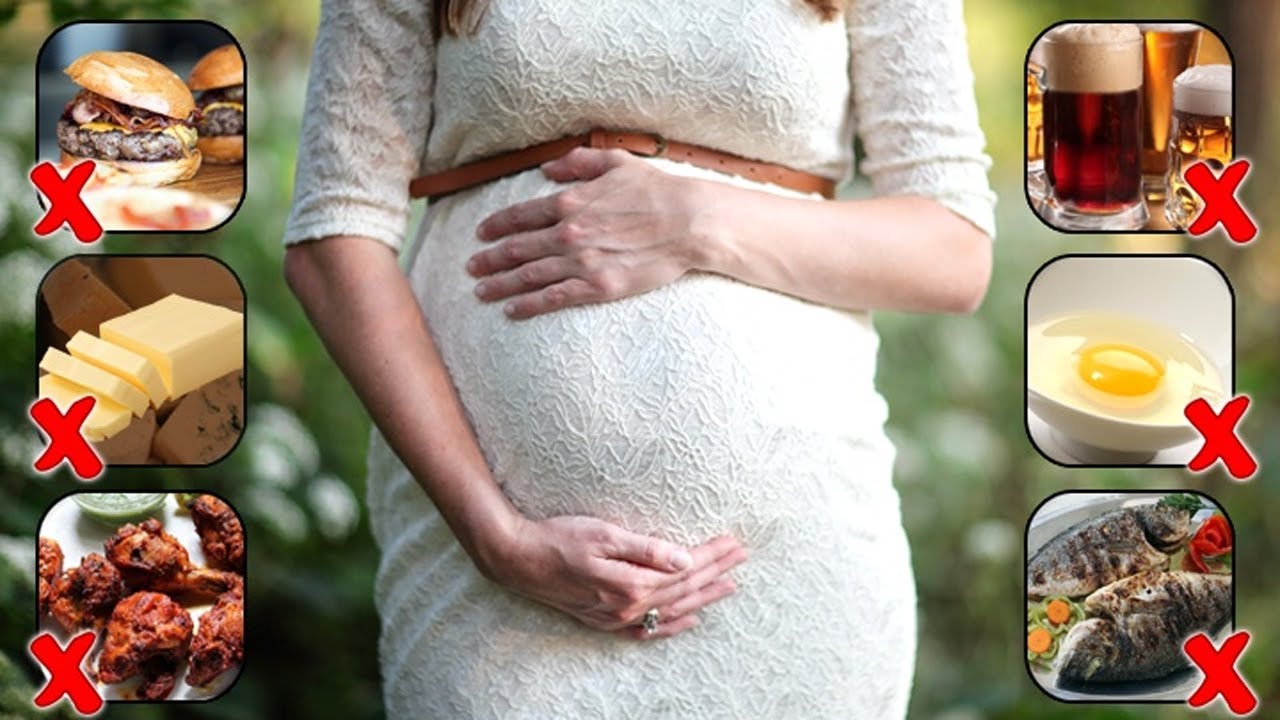
Quick answer: First trimester foods to avoid include alcohol, raw or undercooked animal foods, unpasteurized milk and juice, high-mercury fish, and foods with a higher risk of contamination. Limit caffeine according to prenatal guidance. Most other foods can fit when they are prepared safely and eaten in a balanced pattern.
Food safety is about lowering the chance of infections or exposures that can harm a pregnancy. The list of first trimester foods to avoid is not meant to remove every enjoyable food. It helps you make a few high-value changes while keeping meals normal. This guide explains what to choose, how to build meals, and when a symptom needs medical advice. Use it as a practical starting point, then adapt it to your own care plan.
First Trimester Foods to Avoid: the main idea
First trimester foods to avoid include alcohol, raw or undercooked animal foods, unpasteurized milk and juice, high-mercury fish, and foods with a higher risk of contamination. Limit caffeine according to prenatal guidance. Most other foods can fit when they are prepared safely and eaten in a balanced pattern. The most helpful approach is to make a few safe choices consistently instead of chasing a perfect menu or avoiding a long list of foods without a clear reason.
Pregnancy nutrition is personal. Appetite, culture, budget, allergies, activity, medical history, and the number of babies you are carrying can all change the right plan. If your clinician has given you a specific diet, use that advice first.
Benefits and importance
Pregnancy changes the immune system, so infections from foods such as Listeria, Salmonella, Toxoplasma, and certain parasites can be more serious. Safe storage, handwashing, and thorough cooking matter as much as the food itself.
Some fish contain more mercury than others. Fish can still be part of a healthy pregnancy diet, and official advice encourages lower-mercury choices because omega-3 fats and protein are useful.
Alcohol has no established safe amount in pregnancy. Choosing alcohol-free drinks is the simplest approach. Caffeine is different: most guidance sets a daily limit rather than requiring complete avoidance.
Restrictions can increase anxiety, especially when advice online conflicts. Use guidance from your prenatal team, CDC, FDA, and ACOG. If you accidentally ate a food on a risk list, do not panic; write down what happened and ask a clinician what to do.
Step-by-step guide
1. Learn the high-risk categories
Remember the main groups: alcohol, raw or undercooked foods, unpasteurized foods, high-mercury fish, and foods that have been stored or handled poorly.
Try this: Save a short checklist on your phone instead of trying to memorize dozens of individual foods.
2. Choose safe fish
Pick salmon, shrimp, pollock, cod, canned light tuna, tilapia, and similar lower-mercury options in the amounts advised by FDA guidance. Avoid shark, swordfish, king mackerel, marlin, orange roughy, tilefish from the Gulf of Mexico, and bigeye tuna.
Try this: Ask a restaurant which fish is being served and how it was cooked.
3. Handle deli foods carefully
Heat deli meat, cold cuts, and hot dogs until steaming if your clinician recommends this precaution. Keep refrigerated foods cold and follow use-by dates.
Try this: A toasted turkey sandwich can be a safer swap for a cold deli sandwich.
4. Check labels and preparation
Choose pasteurized milk, cheese, and juice. Wash produce under running water, keep raw meat separate, and cook eggs until whites and yolks are firm unless using pasteurized eggs.
Try this: Look for the word pasteurized on soft cheese and juice labels.
5. Limit rather than fear
Caffeine, added sugar, and highly processed foods are usually limit questions, not automatic bans. Look at the whole pattern and your symptoms.
Try this: Swap a second large coffee for decaf or water and keep the first serving with breakfast.
6. Handle an accidental exposure
One bite rarely tells you what will happen. Stop eating the food, note the amount and time, and call your care team if you develop fever, severe diarrhea, vomiting, or other concerning symptoms.
Try this: Do not take leftover antibiotics or anti-diarrhea medicine without medical advice during pregnancy.
Safer swaps for common worries
This is a sample pattern, not a required menu. Swap ingredients that do not suit your culture, budget, allergies, or symptoms. Keep perishable foods cold and ask your clinician about portions if you have diabetes, kidney disease, severe nausea, or another condition.
- Raw sushi: choose a cooked vegetable, shrimp, or chicken roll from a clean kitchen.
- Unpasteurized juice: choose a pasteurized carton or whole fruit.
- High-mercury fish: choose salmon, cod, shrimp, or canned light tuna.
- Runny eggs: choose firm eggs or a dish made with pasteurized eggs.
- Cold deli meat: heat it until steaming and let it cool safely before eating.
- Alcohol at a celebration: choose sparkling water, a mocktail, or a labeled alcohol-free drink.
Common mistakes to avoid
Small changes usually work better than strict rules. Watch for these common problems:
- Assuming all fish is unsafe and missing its benefits
- Thinking organic automatically means germ-free
- Leaving leftovers at room temperature for hours
- Forgetting that homemade mayonnaise may contain raw egg
- Relying on smell to judge whether food is safe
Expert tips for real life
- Keep a food thermometer in the kitchen
- Wash hands before and after handling raw food
- Put leftovers in shallow containers and refrigerate promptly
- Read the FDA fish chart when trying a new fish
- Ask a clinician about local food advisories when traveling
Related Pregnetic guides
For a simple breakfast example, see Are Corn Flakes Good for Pregnancy?.
If you are checking meat and food-safety choices, read Can I Eat Bacon During Pregnancy?.
For a related hydration and symptom question, see Are Dry Lips a Sign of Pregnancy?.
Trusted sources
These sources offer current, evidence-based pregnancy and food-safety guidance:
Frequently asked questions
Can I eat sushi in the first trimester?
Avoid raw or undercooked seafood during pregnancy. Choose cooked seafood from a reputable kitchen and follow local food-safety advice.
Can I eat soft cheese during pregnancy?
Many soft cheeses are fine when made with pasteurized milk and stored safely. Check the label and avoid unpasteurized products.
How much caffeine is safe?
ACOG commonly advises keeping total caffeine under 200 mg per day. Count all sources and ask your clinician if you have a condition that changes the advice.
What if I accidentally ate a food to avoid?
Do not assume the worst. Monitor how you feel, record the food and time, and contact your prenatal care team for personalized advice.
Are leftovers safe in pregnancy?
Yes when cooled and refrigerated promptly, kept cold, and reheated thoroughly. When in doubt about storage time, throw the food away.
Do I have to avoid peanuts?
Not unless you have an allergy or your clinician has told you otherwise. Peanuts can provide protein and healthy fats in a pregnancy diet.
Use this first trimester foods to avoid guide as a starting point, then adjust it with your prenatal clinician for your health, symptoms, and food preferences.
Conclusion
First Trimester Foods to Avoid is less about one perfect food and more about a safe, varied pattern that you can maintain. Choose foods you tolerate, include the nutrients your clinician has highlighted, and make practical substitutions when appetite or energy changes.
If symptoms make eating or drinking difficult, ask for help early. Your prenatal team can review weight, blood tests, supplements, food safety, and any medical condition that changes your needs. This article is for general education and does not replace personal advice, diagnosis, or treatment from a licensed healthcare professional.