
Blog
Iron Rich Foods During Pregnancy: Meals, Pairings, and Tips

Introduction
Quick answer: Iron rich foods during pregnancy include lean meat, poultry, seafood low in mercury, beans, lentils, tofu, spinach, pumpkin seeds, and iron-fortified cereals. Pair plant sources with vitamin C foods to improve absorption. Pregnancy often requires a prenatal iron plan, so ask your clinician before adding or stopping a supplement.
Iron helps make hemoglobin, the part of red blood cells that carries oxygen. During pregnancy, blood volume expands and iron needs rise. An iron-rich diet helps, but diet alone may not correct anemia when a supplement or further testing is needed. This guide explains what to choose, how to build meals, and when a symptom needs medical advice. Use it as a practical starting point, then adapt it to your own care plan.
Iron Rich Foods During Pregnancy: the main idea
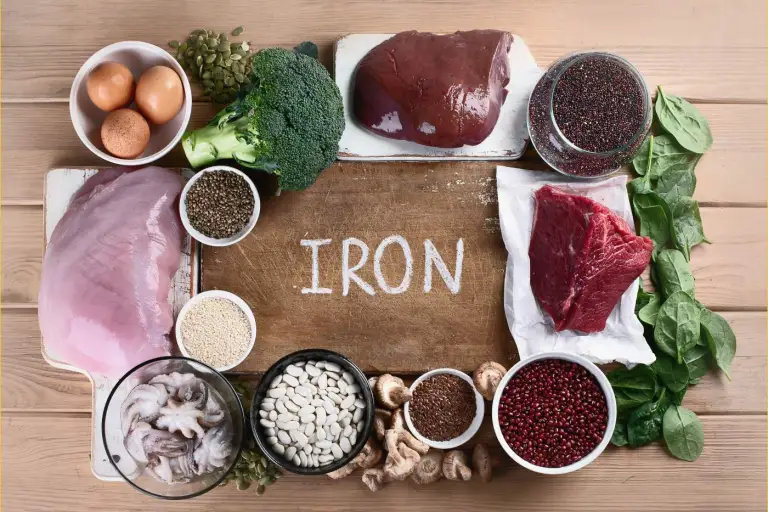
Iron rich foods during pregnancy include lean meat, poultry, seafood low in mercury, beans, lentils, tofu, spinach, pumpkin seeds, and iron-fortified cereals. Pair plant sources with vitamin C foods to improve absorption. Pregnancy often requires a prenatal iron plan, so ask your clinician before adding or stopping a supplement. The most helpful approach is to make a few safe choices consistently instead of chasing a perfect menu or avoiding a long list of foods without a clear reason.
Pregnancy nutrition is personal. Appetite, culture, budget, allergies, activity, medical history, and the number of babies you are carrying can all change the right plan. If your clinician has given you a specific diet, use that advice first.
Benefits and importance
Low iron can contribute to anemia, which may cause tiredness, weakness, headaches, dizziness, or shortness of breath. Those symptoms also have other causes, so testing matters.
Heme iron from meat and seafood is absorbed differently from non-heme iron in plants. A mixed diet can use both; a vegetarian plan can work with careful food and supplement planning.
Vitamin C from oranges, berries, kiwi, tomatoes, and peppers helps the body absorb plant iron. Tea, coffee, calcium, and some medicines can affect timing, so follow specific supplement instructions.
More iron is not always safer. High-dose supplements can cause constipation, nausea, and overdose risk. Use lab results and clinician advice to choose the amount.
Step-by-step guide
1. Add one iron food daily
Start with a food you already eat: fortified cereal, lentils, beans, tofu, eggs, lean meat, or spinach.
Try this: Stir lentils into a familiar soup rather than changing your whole menu.
2. Pair plant iron with vitamin C
Add citrus, strawberries, kiwi, tomatoes, peppers, or broccoli when they suit your stomach.
Try this: Serve beans with salsa or a side of orange slices.
3. Cook for tolerance
Iron foods do not need to be dry or heavy. Use soups, stews, soft tofu, eggs, or minced meat if chewing is difficult.
Try this: Make a lentil dhal with a mild flavor and a side of rice.
4. Review your prenatal vitamin
Check the label with a clinician or pharmacist. Some people need a separate supplement; others do not.
Try this: Ask what to do if iron causes nausea or constipation rather than stopping silently.
5. Separate interfering drinks when advised
Your clinician may suggest spacing iron from calcium, tea, coffee, or certain medicines. Follow the product directions because timing depends on the supplement.
Try this: Use water or a vitamin C food with iron if that is what your clinician recommends.
6. Follow up on symptoms and tests
Ask about screening and repeat labs if anemia is diagnosed. Seek care for severe shortness of breath, fainting, chest pain, or worsening weakness.
Try this: Write down side effects and bring them to your appointment.
Iron-friendly meal ideas
This is a sample pattern, not a required menu. Swap ingredients that do not suit your culture, budget, allergies, or symptoms. Keep perishable foods cold and ask your clinician about portions if you have diabetes, kidney disease, severe nausea, or another condition.
- Breakfast: iron-fortified cereal with berries or an orange.
- Lunch: lentil soup with tomatoes and whole-grain bread.
- Snack: pumpkin seeds with kiwi or strawberries.
- Dinner: lean beef, chicken, tofu, or beans with peppers and rice.
- Vegetarian option: chickpea bowl with quinoa, lemon, and cooked greens.
- Supplement note: take iron exactly as directed and ask about constipation or nausea.
Common mistakes to avoid
Small changes usually work better than strict rules. Watch for these common problems:
- Assuming fatigue proves anemia
- Taking extra iron without testing or advice
- Pairing every iron supplement with coffee or tea
- Avoiding plant iron because it is less easily absorbed
- Stopping a prescribed supplement because of constipation without calling
Expert tips for real life
- Use food pairings instead of memorizing absorption tables
- Keep a backup iron snack at work
- Ask about a gentler formulation if needed
- Drink fluids and use clinician-approved constipation care
- Do not give prenatal iron to children or share supplements
Related Pregnetic guides
For a simple breakfast example, see Are Corn Flakes Good for Pregnancy?.
If you are checking meat and food-safety choices, read Can I Eat Bacon During Pregnancy?.
For a related hydration and symptom question, see Are Dry Lips a Sign of Pregnancy?.
Trusted sources
These sources offer current, evidence-based pregnancy and food-safety guidance:
Frequently asked questions
What are the best iron rich foods during pregnancy?
Lean meat, poultry, low-mercury seafood, beans, lentils, tofu, leafy greens, pumpkin seeds, and fortified cereals are useful options.
How much iron do I need in pregnancy?
Needs are often higher in pregnancy, commonly listed as 27 mg per day for adults, but your clinician should account for labs, diet, and supplements.
Does vitamin C increase iron absorption?
It can improve absorption of plant iron. Pair beans, lentils, tofu, or fortified grains with fruit or vegetables rich in vitamin C.
Why does iron make me constipated?
Constipation is a common side effect of some iron products. Ask your clinician about timing, formulation, fluids, fiber, or other safe options.
Can I take iron with milk?
Calcium may affect absorption of some iron products. Follow the timing instructions from your clinician or product label.
What does anemia feel like during pregnancy?
It may cause unusual fatigue, weakness, headaches, dizziness, or shortness of breath, but testing is needed because symptoms have many causes.
Use this iron rich foods during pregnancy guide as a starting point, then adjust it with your prenatal clinician for your health, symptoms, and food preferences.
Conclusion
Iron Rich Foods During Pregnancy is less about one perfect food and more about a safe, varied pattern that you can maintain. Choose foods you tolerate, include the nutrients your clinician has highlighted, and make practical substitutions when appetite or energy changes.
If symptoms make eating or drinking difficult, ask for help early. Your prenatal team can review weight, blood tests, supplements, food safety, and any medical condition that changes your needs. This article is for general education and does not replace personal advice, diagnosis, or treatment from a licensed healthcare professional.