
Blog
10 Best Foods for Baby Growth During Pregnancy: A Balanced Guide

Introduction
Quick answer: The best foods for baby growth are varied foods that support your health during pregnancy: beans, eggs, lean meat, lower-mercury fish, dairy or fortified alternatives, whole grains, fruit, vegetables, nuts, and seeds. These foods provide protein, iron, folate, calcium, iodine, choline, and healthy fats. No single food makes a baby grow faster or guarantees an outcome.
Baby growth depends on many factors, including genetics, placenta function, health conditions, and prenatal care. Food supports the building blocks and energy your body needs, but it cannot control growth by itself. This guide explains what to choose, how to build meals, and when a symptom needs medical advice. Use it as a practical starting point, then adapt it to your own care plan.
Best Foods for Baby Growth: the main idea
The best foods for baby growth are varied foods that support your health during pregnancy: beans, eggs, lean meat, lower-mercury fish, dairy or fortified alternatives, whole grains, fruit, vegetables, nuts, and seeds. These foods provide protein, iron, folate, calcium, iodine, choline, and healthy fats. No single food makes a baby grow faster or guarantees an outcome. The most helpful approach is to make a few safe choices consistently instead of chasing a perfect menu or avoiding a long list of foods without a clear reason.
Pregnancy nutrition is personal. Appetite, culture, budget, allergies, activity, medical history, and the number of babies you are carrying can all change the right plan. If your clinician has given you a specific diet, use that advice first.
Benefits and importance
Protein foods provide amino acids for tissues, while iron supports oxygen-carrying blood. Folate supports early development, calcium supports bones, and iodine supports thyroid hormones. Choline and omega-3 fats are also part of a varied pattern.
Whole foods work together. Beans can bring protein and folate; fruit can bring vitamin C; a fortified grain can bring iron; dairy can bring calcium; and fish can provide omega-3 fats when the type is low in mercury.
Eating more is not always better. A large amount of one food, supplement, or herbal product can be harmful or simply displace variety. Follow your clinician’s supplement advice rather than chasing promises.
Your care team watches growth through visits and recommended tests. If someone says a particular food will make the baby bigger, healthier, or smarter, treat the claim with caution and ask for evidence.
Step-by-step guide
1. Use a food-group pattern
At most meals, combine a protein, a carbohydrate, and produce. Add a calcium food when practical.
Try this: Try eggs with whole-grain toast and fruit, or beans with rice and cooked vegetables.
2. Rotate protein sources
Use eggs, poultry, beans, lentils, tofu, yogurt, nuts, seeds, and lower-mercury fish. Different foods bring different nutrients.
Try this: Plan fish once or twice according to official guidance and use beans on another day.
3. Make iron and folate routine
Include leafy greens, beans, fortified grains, meat, poultry, and lentils. Take prenatal folate or iron as advised.
Try this: Use a fortified cereal breakfast and a lentil lunch in the same week.
4. Add calcium and iodine carefully
Use dairy or fortified alternatives and ask about iodine in your prenatal vitamin. Do not take kelp or high-dose iodine products without guidance.
Try this: Read the label on plant drinks because fortification differs by brand.
5. Include healthy fats
Avocado, nuts, seeds, olive oil, and lower-mercury fish can fit a balanced plan. Portion size still matters if reflux is present.
Try this: Add walnuts to oats or avocado to a bean bowl.
6. Track care, not food myths
Attend prenatal visits, follow growth checks, and report symptoms. Food is one part of pregnancy care, not a substitute for it.
Try this: Bring nutrition claims from family or social media to an appointment for review.
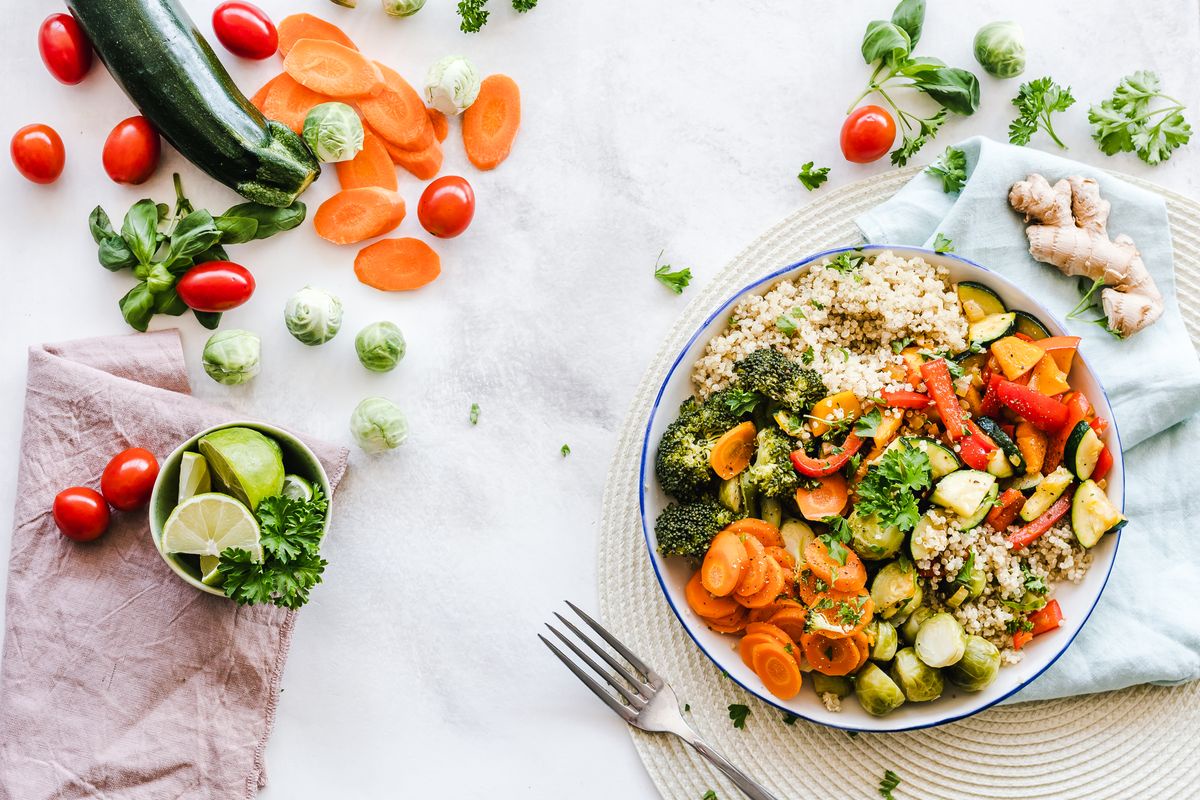
A growth-supporting plate pattern
This is a sample pattern, not a required menu. Swap ingredients that do not suit your culture, budget, allergies, or symptoms. Keep perishable foods cold and ask your clinician about portions if you have diabetes, kidney disease, severe nausea, or another condition.
- Breakfast: fortified oats with milk, walnuts, and berries.
- Snack: boiled egg and fruit, or yogurt with seeds.
- Lunch: beans, quinoa, avocado, and cooked vegetables.
- Snack: cheese and whole-grain crackers.
- Dinner: cooked salmon, chicken, tofu, or lentils with potatoes and greens.
- Dessert option: fruit with pasteurized yogurt instead of a supplement marketed as a growth booster.
Common mistakes to avoid
Small changes usually work better than strict rules. Watch for these common problems:
- Searching for one miracle food
- Taking high-dose supplements to force a result
- Avoiding fish entirely because of mercury fears
- Ignoring food safety while focusing on nutrients
- Comparing fetal growth with another pregnancy
Expert tips for real life
- Use variety over a week instead of perfection in one meal
- Ask about choline, iodine, iron, and vitamin D in your supplement
- Choose foods that fit your culture and budget
- Keep a list of trustworthy sources
- Ask for evaluation if a growth concern has been raised
Related Pregnetic guides
For a simple breakfast example, see Are Corn Flakes Good for Pregnancy?.
If you are checking meat and food-safety choices, read Can I Eat Bacon During Pregnancy?.
For a related hydration and symptom question, see Are Dry Lips a Sign of Pregnancy?.
Trusted sources
These sources offer current, evidence-based pregnancy and food-safety guidance:
Frequently asked questions
What is the best food for baby growth?
There is no single best food. A varied pattern with protein, iron, folate, calcium, healthy fats, fruit, vegetables, and whole grains is more useful.
Does eating more make the baby grow more?
Not necessarily. Growth depends on many factors. Follow your clinician’s nutrition and monitoring plan instead of forcing extra food.
Is fish good for baby growth?
Lower-mercury fish can provide protein and omega-3 fats. Follow FDA guidance on choices and servings.
Which foods help brain development?
A varied diet supplies nutrients involved in development, including folate, iodine, choline, iron, and omega-3 fats. Ask your clinician about your needs.
Can prenatal vitamins replace healthy food?
No. They help cover specific nutrient gaps but do not provide fiber, fluids, or the full range of food benefits.
What if an ultrasound shows slow growth?
Ask your obstetric clinician for the cause, monitoring plan, and nutrition advice. Do not try a high-calorie or supplement plan on your own.
Use this best foods for baby growth guide as a starting point, then adjust it with your prenatal clinician for your health, symptoms, and food preferences.
Conclusion
Best Foods for Baby Growth is less about one perfect food and more about a safe, varied pattern that you can maintain. Choose foods you tolerate, include the nutrients your clinician has highlighted, and make practical substitutions when appetite or energy changes.
If symptoms make eating or drinking difficult, ask for help early. Your prenatal team can review weight, blood tests, supplements, food safety, and any medical condition that changes your needs. This article is for general education and does not replace personal advice, diagnosis, or treatment from a licensed healthcare professional.