

Blog
Pregnancy Diet Month 4: A Practical Food Guide for Weeks 14 to 17

Introduction
Quick answer: Pregnancy diet month 4 usually focuses on returning to variety as the second trimester begins. Build meals around protein, whole grains or potatoes, vegetables, fruit, calcium foods, and fluids. Add a modest snack if hunger rises, and follow your clinician’s advice for weight, anemia, diabetes, and supplements.
Month 4 generally covers weeks 14 through 17. It can bring more energy and less nausea, but not everyone feels better at the same time. The right plan supports recovery from the first trimester without forcing large portions. This guide explains what to choose, how to build meals, and when a symptom needs medical advice. Use it as a practical starting point, then adapt it to your own care plan.
Pregnancy Diet Month 4: the main idea
Pregnancy diet month 4 usually focuses on returning to variety as the second trimester begins. Build meals around protein, whole grains or potatoes, vegetables, fruit, calcium foods, and fluids. Add a modest snack if hunger rises, and follow your clinician’s advice for weight, anemia, diabetes, and supplements. The most helpful approach is to make a few safe choices consistently instead of chasing a perfect menu or avoiding a long list of foods without a clear reason.
Pregnancy nutrition is personal. Appetite, culture, budget, allergies, activity, medical history, and the number of babies you are carrying can all change the right plan. If your clinician has given you a specific diet, use that advice first.
Benefits and importance
An improving appetite is an opportunity to add foods that were hard to tolerate earlier. Reintroduce one texture or smell at a time and keep the meals familiar.
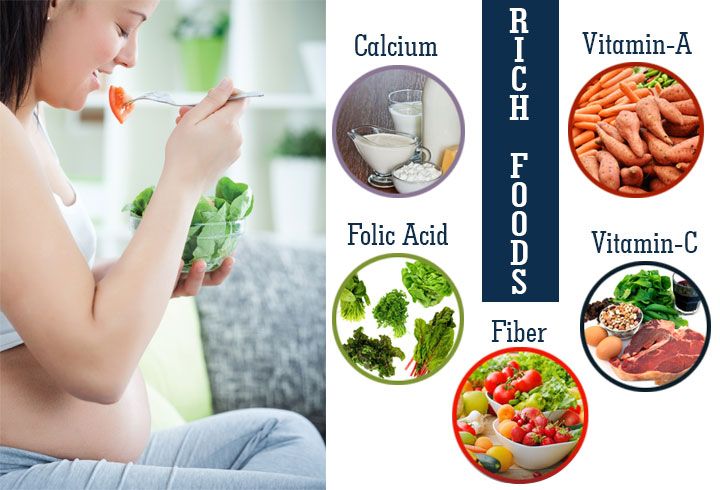
Iron needs remain important as blood volume expands. Lean meat, beans, lentils, tofu, eggs, greens, and fortified grains can work in different eating patterns.
Calcium and vitamin D support bones and teeth, while protein supports the tissues that are growing. A yogurt snack or fortified drink can be useful when cooking is tiring.
Month 4 is also a good time to notice digestion. Constipation and reflux may become more obvious. Smaller meals, gradual fiber, fluids, and clinician-approved movement can help.
Step-by-step guide
1. Rebuild variety slowly
Add foods that were difficult during nausea in small portions. There is no need to make every meal adventurous.
Try this: Try cooked vegetables first, then salads or stronger flavors if they feel comfortable.
2. Plan a protein anchor
Choose a protein food for breakfast, lunch, dinner, or a snack. Eggs, beans, fish low in mercury, poultry, tofu, dairy, nuts, and seeds all count.
Try this: Make a bean spread or egg salad for a quick lunch, using safe storage.
3. Use iron and vitamin C together
Pair plant iron with citrus, berries, tomatoes, or peppers. Ask about screening and supplements if fatigue seems unusual.
Try this: Serve lentils with tomato sauce or a side of orange segments.
4. Build a calcium habit
Include pasteurized milk, yogurt, cheese, fortified alternatives, or calcium-set tofu. Spread servings through the day if large amounts feel heavy.
Try this: Add yogurt to breakfast and cheese to a lunch wrap.
5. Plan for heartburn
Eat smaller portions, stay upright after meals, and notice personal triggers. Ask before using medicines for reflux.
Try this: A smaller dinner two hours before bed may feel better than a late large meal.
6. Check your next appointment
Bring questions about weight, iron, supplements, exercise, and upcoming screening. Use the visit to personalize your plan.
Try this: Take a photo of a typical day of meals if describing food is difficult.
Month 4 meal rhythm
This is a sample pattern, not a required menu. Swap ingredients that do not suit your culture, budget, allergies, or symptoms. Keep perishable foods cold and ask your clinician about portions if you have diabetes, kidney disease, severe nausea, or another condition.
- Breakfast: egg and whole-grain toast with an orange.
- Snack: yogurt with oats or walnuts.
- Lunch: lentil and quinoa bowl with cooked vegetables.
- Snack: apple with cheese or nut butter.
- Dinner: salmon, tofu, or chicken with brown rice and greens.
- Hydration: water at meals and between meals, adjusted to your needs.
Common mistakes to avoid
Small changes usually work better than strict rules. Watch for these common problems:
- Trying to make up for every missed food from month 2
- Adding large meals when appetite improves
- Ignoring new reflux or constipation
- Skipping iron-rich foods because fatigue is assumed to be normal
- Starting supplements based on a social post
Expert tips for real life
- Reintroduce foods in calm settings
- Use cooked vegetables when raw produce is hard
- Freeze portions for busy days
- Keep calcium foods visible in the refrigerator
- Ask for a dietitian if food restrictions are broad
Related Pregnetic guides
For a simple breakfast example, see Are Corn Flakes Good for Pregnancy?.
If you are checking meat and food-safety choices, read Can I Eat Bacon During Pregnancy?.
For a related hydration and symptom question, see Are Dry Lips a Sign of Pregnancy?.
Trusted sources
These sources offer current, evidence-based pregnancy and food-safety guidance:
Frequently asked questions
What changes in pregnancy diet month 4?
Many people can add more variety as nausea eases. A modest increase in food may be useful, but your clinician should guide portions and weight goals.
Is month 4 the second trimester?
In common pregnancy dating, the second trimester begins around week 14, which is often called month 4.
What foods support iron in month 4?
Lean meat, poultry, beans, lentils, tofu, eggs, fortified cereals, and greens can help. Pair plant sources with vitamin C foods.
Why am I more hungry in month 4?
Appetite may improve as nausea fades and pregnancy needs change. Add nourishing snacks and discuss rapid or distressing changes with your clinician.
Can I eat restaurant salads?
Choose restaurants with good food-handling practices, wash produce when possible, and avoid raw ingredients that have been sitting out or are hard to verify.
What if nausea is still strong in month 4?
You are not behind. Keep using tolerated foods and call your care team if symptoms affect fluids, weight, or daily life.
Use this pregnancy diet month 4 guide as a starting point, then adjust it with your prenatal clinician for your health, symptoms, and food preferences.
Conclusion
Pregnancy Diet Month 4 is less about one perfect food and more about a safe, varied pattern that you can maintain. Choose foods you tolerate, include the nutrients your clinician has highlighted, and make practical substitutions when appetite or energy changes.
If symptoms make eating or drinking difficult, ask for help early. Your prenatal team can review weight, blood tests, supplements, food safety, and any medical condition that changes your needs. This article is for general education and does not replace personal advice, diagnosis, or treatment from a licensed healthcare professional.