
Blog
7 Early Pregnancy Diet Chart: A Simple Weekday Guide

Introduction
Quick answer: An early pregnancy diet chart can include three small meals, two or three snacks, regular fluids, and a rotation of protein, whole grains, fruit, vegetables, and pasteurized calcium foods. Adjust portions to appetite and follow advice for your prenatal vitamin, allergies, diabetes, or other health needs.
An early pregnancy diet chart is a planning tool, not a prescription. It helps you see where folate, iron, calcium, protein, fiber, and fluids may fit in a normal day without turning every bite into a calculation. This guide explains what to choose, how to build meals, and when a symptom needs medical advice. Use it as a practical starting point, then adapt it to your own care plan.
Early Pregnancy Diet Chart: the main idea
An early pregnancy diet chart can include three small meals, two or three snacks, regular fluids, and a rotation of protein, whole grains, fruit, vegetables, and pasteurized calcium foods. Adjust portions to appetite and follow advice for your prenatal vitamin, allergies, diabetes, or other health needs. The most helpful approach is to make a few safe choices consistently instead of chasing a perfect menu or avoiding a long list of foods without a clear reason.
Pregnancy nutrition is personal. Appetite, culture, budget, allergies, activity, medical history, and the number of babies you are carrying can all change the right plan. If your clinician has given you a specific diet, use that advice first.
Benefits and importance
A chart is useful when fatigue or nausea makes decisions harder. A few written options can prevent long gaps between meals and make shopping more predictable.
Pregnancy nutrition is cumulative. If one meal lacks vegetables, another can include them. If meat is unappealing, beans, eggs, tofu, dairy, nuts, or seeds may fill part of the gap.
Charts should allow substitutions. A person with lactose intolerance may use fortified alternatives; a vegetarian may need attention to iron and B12; someone with diabetes may need a tailored carbohydrate plan.
A chart never replaces prenatal care. It also cannot diagnose a nutrient deficiency. Blood tests, medical history, and supplement advice belong with your clinician.
Step-by-step guide
1. List your reliable foods
Write down foods that are safe, affordable, and usually tolerated. Include at least one choice from each food group if you can.
Try this: Keep a second list for days when nausea is high.
2. Place protein across the day
Add eggs, beans, lentils, chicken, low-mercury fish, yogurt, tofu, nuts, or seeds to meals and snacks.
Try this: Use hummus with toast or a boiled egg beside fruit.
3. Build a grain base
Oats, whole-grain bread, rice, potatoes, quinoa, and fortified cereals can make meals satisfying. Choose the texture your stomach handles.
Try this: A rice bowl can be built with whatever protein and cooked vegetables are available.
4. Mark your calcium choices
Milk, yogurt, cheese, fortified plant drinks, and calcium-set tofu can help. Check labels and serving sizes on alternatives.
Try this: Put one calcium food beside breakfast and another beside a snack or dinner.
5. Plan produce safely
Use washed fruit and cooked or washed vegetables. Frozen produce is practical and can be nutritious when fresh food is difficult.
Try this: Add spinach to soup or berries to oats rather than forcing a raw salad.
6. Review and personalize
Look over the chart with your care team if you have anemia, diabetes, high blood pressure, severe vomiting, food allergies, or a history of an eating disorder.
Try this: A dietitian can turn a generic chart into a safer personal plan.
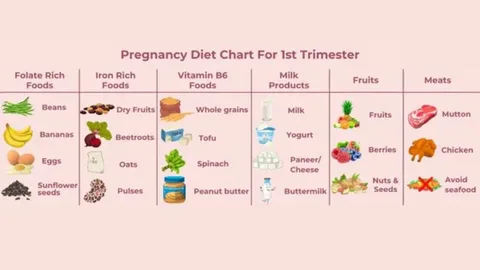
Example chart for one day
This is a sample pattern, not a required menu. Swap ingredients that do not suit your culture, budget, allergies, or symptoms. Keep perishable foods cold and ask your clinician about portions if you have diabetes, kidney disease, severe nausea, or another condition.
- Breakfast: fortified oatmeal with milk, walnuts, and berries.
- Morning snack: a banana with sunflower seed butter.
- Lunch: lentil soup, whole-grain bread, and washed cucumber.
- Afternoon snack: pasteurized yogurt and sliced pear.
- Dinner: cooked chicken or tofu, quinoa, carrots, and broccoli.
- Fluids: water and other clinician-approved drinks spread across the day.
Common mistakes to avoid
Small changes usually work better than strict rules. Watch for these common problems:
- Following a chart that ignores your medical history
- Counting portions more strictly than your clinician advised
- Leaving out snacks when nausea is worse between meals
- Using supplements to fill every gap without testing
- Treating a chart as a substitute for food-safety habits
Expert tips for real life
- Print the chart and add substitutions beside each meal
- Use a grocery list built from three breakfasts and three dinners
- Choose frozen produce to reduce waste
- Keep a symptom note beside the chart
- Update it after the first prenatal appointment
Related Pregnetic guides
For a simple breakfast example, see Are Corn Flakes Good for Pregnancy?.
If you are checking meat and food-safety choices, read Can I Eat Bacon During Pregnancy?.
For a related hydration and symptom question, see Are Dry Lips a Sign of Pregnancy?.
Trusted sources
These sources offer current, evidence-based pregnancy and food-safety guidance:
Frequently asked questions
What should an early pregnancy diet chart include?
It should include safe protein, grains or other carbohydrates, fruit, vegetables, calcium foods, fluids, and your clinician-recommended prenatal supplement.
Do I need to follow the same chart every day?
No. A chart offers ideas. Appetite, culture, budget, symptoms, and medical needs should shape the actual day.
Can I use an early pregnancy diet chart if I am vegetarian?
Yes, but plan protein, iron, B12, iodine, calcium, and vitamin D carefully with your clinician or a dietitian.
What if the chart makes nausea worse?
Reduce portions, choose colder or blander foods, and use your backup list. Call your care team if vomiting or dehydration continues.
How much water should I drink?
Needs vary with weather, activity, vomiting, and health. Sip regularly and ask your clinician for a personalized target.
Should I take the chart to my prenatal visit?
Yes. It can help your clinician see what you tolerate and identify whether you need a supplement, test, or referral.
Use this early pregnancy diet chart guide as a starting point, then adjust it with your prenatal clinician for your health, symptoms, and food preferences.
Conclusion
Early Pregnancy Diet Chart is less about one perfect food and more about a safe, varied pattern that you can maintain. Choose foods you tolerate, include the nutrients your clinician has highlighted, and make practical substitutions when appetite or energy changes.
If symptoms make eating or drinking difficult, ask for help early. Your prenatal team can review weight, blood tests, supplements, food safety, and any medical condition that changes your needs. This article is for general education and does not replace personal advice, diagnosis, or treatment from a licensed healthcare professional.