

Blog
10 Best Fruits in First Trimester: Safe Choices and Easy Ways to Eat Them

Introduction
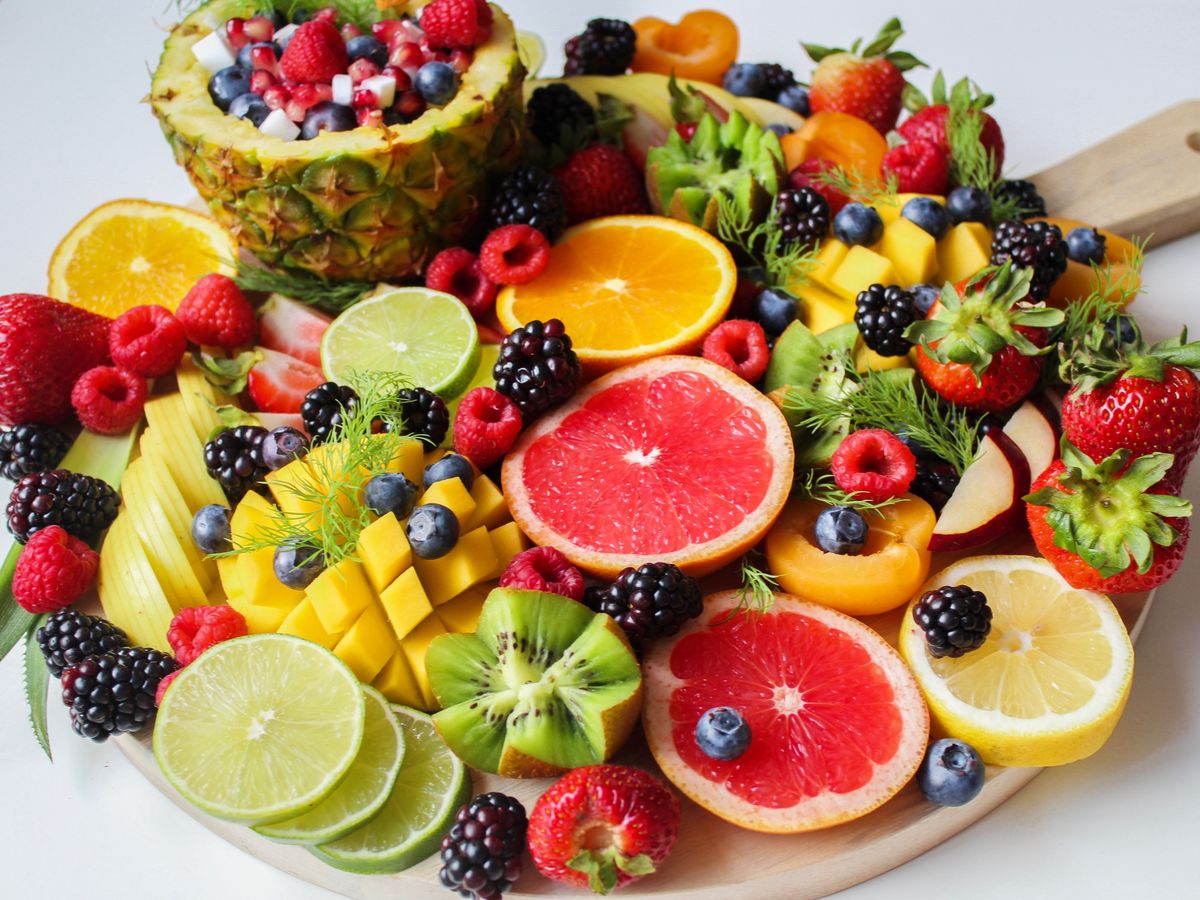
Quick answer: The best fruits in first trimester meals are the ones you enjoy, can tolerate, and can wash safely. Berries, oranges, bananas, apples, pears, kiwi, mango, melon, and peaches can provide fiber, fluid, vitamin C, and carbohydrates. Eat whole fruit more often than juice and include protein or yogurt when you need a fuller snack.
There is no single fruit that guarantees a healthy pregnancy. The phrase best fruits in first trimester usually means fruits that are nutrient-rich, easy to find, and practical during nausea or constipation. Variety matters more than a ranking. This guide explains what to choose, how to build meals, and when a symptom needs medical advice. Use it as a practical starting point, then adapt it to your own care plan.
Best Fruits in First Trimester: the main idea
The best fruits in first trimester meals are the ones you enjoy, can tolerate, and can wash safely. Berries, oranges, bananas, apples, pears, kiwi, mango, melon, and peaches can provide fiber, fluid, vitamin C, and carbohydrates. Eat whole fruit more often than juice and include protein or yogurt when you need a fuller snack. The most helpful approach is to make a few safe choices consistently instead of chasing a perfect menu or avoiding a long list of foods without a clear reason.
Pregnancy nutrition is personal. Appetite, culture, budget, allergies, activity, medical history, and the number of babies you are carrying can all change the right plan. If your clinician has given you a specific diet, use that advice first.
Benefits and importance
Fruit supplies carbohydrate for energy and fiber for digestion. Oranges, kiwi, berries, and mango provide vitamin C, which also helps the body absorb iron from plant foods when eaten in the same meal.
High-water fruits such as melon, oranges, and grapes can contribute to fluid intake, but they do not replace drinks. Bananas can be easy to tolerate and provide carbohydrate when appetite is low.
Whole fruit is usually more filling than juice because it contains fiber. Juice can fit in a small amount, but pasteurization and portion size matter, especially when nausea makes sweet drinks easy to overdo.
Safety begins at the sink. Wash whole fruit under running water before cutting or peeling. Keep cut fruit cold, avoid bruised or moldy pieces, and do not assume a farmers market item is free of germs.
Step-by-step guide
1. Choose what your stomach accepts
On a nausea day, a chilled banana, applesauce, or a few melon pieces may be easier than a large mixed fruit bowl. There is no prize for forcing a food you cannot stand.
Try this: Keep two tolerated fruits on hand and rotate new options later.
2. Pair fruit with protein
Fruit alone may not last long if hunger is strong. Add yogurt, cottage cheese, nuts, seeds, nut butter, or a boiled egg depending on your diet.
Try this: Try a pear with cheese or berries with pasteurized yogurt.
3. Use vitamin C strategically
Citrus, kiwi, strawberries, and mango can pair well with beans, lentils, spinach, or fortified cereal because vitamin C helps with plant-iron absorption.
Try this: Squeeze lemon over a lentil bowl only if acidity does not worsen reflux.
4. Wash before cutting
Rinse fruit under running water and scrub firm skins. Wash even if you plan to peel, because a knife can carry germs from the skin to the inside.
Try this: Dry berries and store them in a clean container lined with a paper towel.
5. Choose texture for symptoms
Smoothies, stewed fruit, frozen fruit, or thin slices can change the experience. Use pasteurized yogurt or milk in smoothies and avoid unpasteurized juice.
Try this: Blend a small smoothie and sip it slowly rather than making a very large serving.
6. Keep portions realistic
Fruit is healthy but does not replace vegetables, protein, grains, or prenatal supplements. Spread fruit across the day if a big portion causes bloating.
Try this: Use fruit as a snack, breakfast topping, or side instead of making every meal fruit-based.
Easy fruit combinations
This is a sample pattern, not a required menu. Swap ingredients that do not suit your culture, budget, allergies, or symptoms. Keep perishable foods cold and ask your clinician about portions if you have diabetes, kidney disease, severe nausea, or another condition.
- Banana with peanut butter for a simple nausea-friendly snack.
- Berries with plain pasteurized yogurt and oats for breakfast.
- Orange segments with a bean or lentil lunch for vitamin C.
- Apple slices with cheese or sunflower seed butter.
- Mango and cucumber with a mild grain bowl if fresh flavors feel good.
- Melon cubes kept cold for a fluid-rich snack between meals.
Common mistakes to avoid
Small changes usually work better than strict rules. Watch for these common problems:
- Believing one fruit can provide every pregnancy nutrient
- Drinking large amounts of juice instead of eating whole fruit
- Skipping washing because fruit will be peeled
- Eating cut fruit left warm for too long
- Using unpasteurized juice in a smoothie
Expert tips for real life
- Keep washed fruit ready at eye level
- Freeze ripe bananas for smoothies
- Use unsweetened applesauce when chewing feels hard
- Pair fruit with iron-rich plant foods
- Ask your clinician about blood sugar needs if you have diabetes
Related Pregnetic guides
For a simple breakfast example, see Are Corn Flakes Good for Pregnancy?.
If you are checking meat and food-safety choices, read Can I Eat Bacon During Pregnancy?.
For a related hydration and symptom question, see Are Dry Lips a Sign of Pregnancy?.
Trusted sources
These sources offer current, evidence-based pregnancy and food-safety guidance:
Frequently asked questions
Can I eat pineapple in the first trimester?
Pineapple can fit in normal food portions unless you have an allergy or your clinician has advised otherwise. It does not cause miscarriage when eaten as food.
Are berries safe during pregnancy?
Yes, when washed well, kept cold, and eaten fresh or frozen from a safe source. Discard moldy or spoiled berries.
Is papaya safe in early pregnancy?
Advice differs for unripe papaya products. Ask your prenatal clinician about the forms and portions you are considering instead of relying on social media claims.
Is fruit juice healthy in pregnancy?
Pasteurized juice can fit in a small amount, but whole fruit usually gives more fiber and is easier to portion.
What fruit helps constipation?
Kiwi, pears, berries, oranges, and prunes can add fiber. Increase fiber gradually and drink fluids unless your clinician has given different advice.
Can fruit help morning sickness?
Cold fruit or mild fruit may be easier for some people, but triggers vary. Eat small portions and call your care team if vomiting prevents fluids.
Use this best fruits in first trimester guide as a starting point, then adjust it with your prenatal clinician for your health, symptoms, and food preferences.
Conclusion
Best Fruits in First Trimester is less about one perfect food and more about a safe, varied pattern that you can maintain. Choose foods you tolerate, include the nutrients your clinician has highlighted, and make practical substitutions when appetite or energy changes.
If symptoms make eating or drinking difficult, ask for help early. Your prenatal team can review weight, blood tests, supplements, food safety, and any medical condition that changes your needs. This article is for general education and does not replace personal advice, diagnosis, or treatment from a licensed healthcare professional.