
Blog
Is Acne Common During Early Pregnancy? Safe Skin Care

Introduction
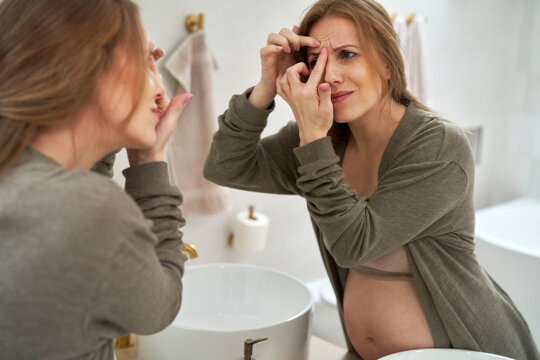
Quick answer: Is acne common during early pregnancy? It can be. Hormone changes may increase oil production and clog pores, causing pimples on the face, chest, or back. Acne is not a reliable pregnancy sign, and many people break out before a period or for other reasons. If pregnancy is possible, use gentle skin care and ask before medicated treatment.
When a new body change appears, it is natural to wonder whether it means pregnancy. Notice whether the skin is itchy, scaly, painful, or blistered because not every bump is acne. New products, sweat, masks, hair products, and picking can add to breakouts. A clinician can help if scars or painful nodules are developing. This guide gives a calm way to sort out the most likely explanations, choose a sensible next step, and recognize when an online answer is not enough.
Main Topic: is acne common during early pregnancy
Acne happens when oil, dead skin, and inflammation block hair follicles. Early pregnancy can change oil production, but it does not create one predictable acne pattern. New breakouts may be mild, painful, deep, or limited to a familiar area.
Acne may start in the first trimester, improve, worsen, or never appear. There is no exact week and no way to use acne to date a pregnancy. Test if pregnancy is possible rather than treating the skin as a clue. A symptom can be real without being a reliable pregnancy clue. The same hormones, sensations, or timing can occur during a menstrual cycle, after a change in routine, or during an ordinary illness.
Pregnancy is confirmed by testing and, when needed, clinical assessment. If a test is positive, start or continue prenatal care. If it is negative but a period is late or the symptom continues, follow the test instructions about repeating it or contact a clinician.
Benefits / Importance
Understanding the difference between a possible symptom and a useful test can reduce worry and prevent unnecessary self-treatment. It also helps you describe the change clearly when you call a care team.
PMS, puberty, stress, medications, cosmetics, friction, sweat, rosacea, folliculitis, and allergic reactions can look like acne. Some acne medicines are not appropriate in pregnancy, so product review matters. This is why the best answer often combines timing, related symptoms, medicines, and a test rather than focusing on one sensation.
Pay attention to function. If the symptom stops you from drinking, eating, sleeping, walking, seeing clearly, breathing comfortably, or keeping fluids down, the priority is care rather than search results. Pregnancy can change how quickly some problems need attention.
Step-by-Step Guide
1. Simplify the routine
Use a gentle cleanser, lukewarm water, and clean hands. Avoid scrubbing or using several new products at once.
A useful check: Write down what you notice so you can explain it clearly later.
2. Choose non-comedogenic basics
Use a light moisturizer and sunscreen labeled non-comedogenic if they suit your skin.
A useful check: Keep the step small enough to stop without a struggle.
3. Pause risky medicines
Check retinoids, high-dose salicylic acid, antibiotics, and combination products with a clinician or pharmacist before use.
A useful check: Write down what you notice so you can explain it clearly later.
4. Reduce touching
Keep hair products away from the face, change pillowcases, and avoid squeezing spots.
A useful check: Keep the step small enough to stop without a struggle.
5. Treat the trigger
If sweat or a mask contributes, rinse gently after activity and use clean, breathable fabric.
A useful check: Write down what you notice so you can explain it clearly later.
6. Test pregnancy timing
Take a home test after a missed period if pregnancy is possible.
A useful check: Keep the step small enough to stop without a struggle.
7. Get clinical help
Ask for care for painful cysts, spreading redness, scarring, eye involvement, or a rash that does not look like acne.
A useful check: Write down what you notice so you can explain it clearly later.
Common Mistakes
These symptoms are easy to over-interpret. Avoid the following traps:
- Using a friend’s prescription acne cream.
- Assuming acne confirms pregnancy.
- Scrubbing until the skin burns.
- Starting several active ingredients together.
- Picking painful spots and creating scars or infection.
Expert Tips
- Take a photo once a week instead of checking constantly.
- Look for fragrance-free products if skin feels reactive.
- Ask a pharmacist to review the whole routine, including makeup.
- Keep hair oils and pomades off the forehead if they trigger bumps.
- Seek dermatology advice for severe or scarring acne.
- Remember that a negative test does not explain every skin change.
A practical rule is to use the least complicated safe step first, then escalate when the pattern is persistent, severe, or unusual. A pharmacist can review over-the-counter products, and a prenatal clinician can consider your history instead of a generic checklist.
When to Get Medical Advice
Do not wait for a pregnancy test if the symptom is sudden, severe, or stopping you from normal activities. In a possible or confirmed pregnancy, call your maternity team for heavy bleeding, severe or one-sided pain, fainting, trouble breathing, chest pain, confusion, a severe headache, new vision changes, high fever, or inability to keep fluids down. If the symptom involves the eye, ear, skin, urine, or throat, a focused examination may be needed even when the pregnancy test is negative.
For a milder concern, arrange a routine review if it lasts, keeps returning, worsens, or needs regular medicine. Bring the first day of your last period, test dates and results, medicines and supplements, and a short symptom record. That information helps a clinician avoid guessing and choose advice that fits your health history.
- Use local emergency services for collapse, severe breathing difficulty, or a life-threatening change.
- Tell every pharmacist and clinician that pregnancy is possible before treatment.
- Do not stop a prescribed medicine without a plan from the prescriber.
Related Pregnancy Guides
If you are comparing several changes, you may also find our guide to dry lips as a possible pregnancy sign, our explanation of white discharge in pregnancy, practical pregnancy snack ideas, and an early pregnancy diet chart useful. These links provide context, but they do not replace a pregnancy test or medical assessment.
Trusted Sources
For current public-health information, see:
General education note: This article is for general education, not medical advice. It does not replace diagnosis, treatment, or personal advice from a qualified clinician. Emergency symptoms should be assessed through local emergency services.
FAQs
Can acne be an early pregnancy sign?
It can occur with hormone changes, but acne is common before periods and does not confirm pregnancy.
When does pregnancy acne start?
It may appear in the first trimester or at another time. There is no fixed schedule.
Can I use benzoyl peroxide while pregnant?
Ask your clinician or pharmacist for advice based on your product, amount, and skin needs.
What acne products should I avoid in pregnancy?
Do not use prescription retinoids or other active treatments without medical review.
Does pregnancy acne mean a boy or girl?
No. Skin changes cannot predict fetal sex.
When does acne need a doctor?
Seek help for painful deep lesions, scarring, spreading redness, fever, or an uncertain rash.
Conclusion
Is acne common during early pregnancy? It can be. Hormone changes may increase oil production and clog pores, causing pimples on the face, chest, or back. Acne is not a reliable pregnancy sign, and many people break out before a period or for other reasons. If pregnancy is possible, use gentle skin care and ask before medicated treatment. The most useful next step is to look at the full pattern, test at an appropriate time, and ask for help when symptoms are severe or do not settle.
Use this guide about is acne common during early pregnancy as a starting point, not a diagnosis. Your body may follow a different timeline, and your prenatal team can give advice that accounts for your health, medicines, and pregnancy history.