
Blog
Can You Get Cold Symptoms in Early Pregnancy?

Introduction
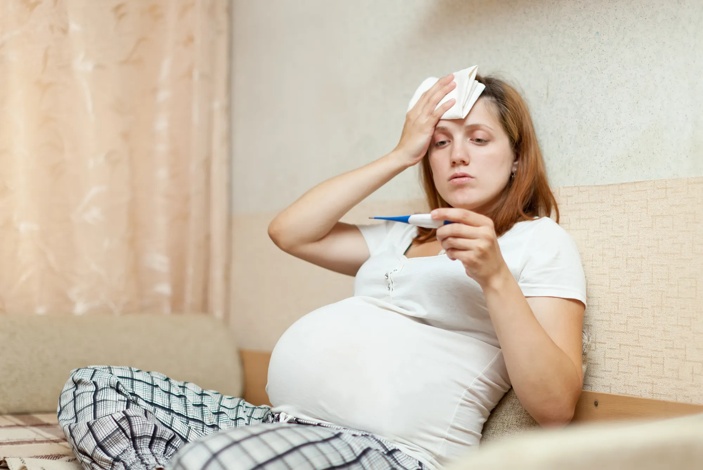
Quick answer: Can you get cold symptoms in early pregnancy? Yes, you can catch a cold while pregnant, and a stuffy nose may also occur from pregnancy-related nasal swelling. A cough, sore throat, sneezing, and runny nose are not reliable pregnancy signs. Test if pregnancy is possible, rest, drink normally, and ask before taking cold medicine.
When a new body change appears, it is natural to wonder whether it means pregnancy. Fever, body aches, known exposure, loss of taste or smell, wheezing, or worsening cough may suggest an illness that needs testing or treatment. Tell a clinician if you are pregnant or might be pregnant before using medicines. This guide gives a calm way to sort out the most likely explanations, choose a sensible next step, and recognize when an online answer is not enough.
Main Topic: can you get cold symptoms in early pregnancy
A cold is a viral upper-respiratory infection that can cause a runny or blocked nose, sore throat, cough, sneezing, and mild fatigue. Pregnancy can also cause nasal congestion, but it does not usually explain a sudden cluster of infection symptoms.
Cold symptoms can occur at any time in pregnancy because pregnancy does not prevent common infections. Hormonal nasal congestion may last longer and can appear without fever. Symptoms before a missed period cannot distinguish a cold from early pregnancy. A symptom can be real without being a reliable pregnancy clue. The same hormones, sensations, or timing can occur during a menstrual cycle, after a change in routine, or during an ordinary illness.
Pregnancy is confirmed by testing and, when needed, clinical assessment. If a test is positive, start or continue prenatal care. If it is negative but a period is late or the symptom continues, follow the test instructions about repeating it or contact a clinician.
Benefits / Importance
Understanding the difference between a possible symptom and a useful test can reduce worry and prevent unnecessary self-treatment. It also helps you describe the change clearly when you call a care team.
Allergies, flu, COVID-19, sinus irritation, dry air, reflux, and pregnancy rhinitis can resemble a cold. A high fever or breathing difficulty should not be explained by hormones without an assessment. This is why the best answer often combines timing, related symptoms, medicines, and a test rather than focusing on one sensation.
Pay attention to function. If the symptom stops you from drinking, eating, sleeping, walking, seeing clearly, breathing comfortably, or keeping fluids down, the priority is care rather than search results. Pregnancy can change how quickly some problems need attention.
Step-by-Step Guide
1. Check temperature
Use a reliable thermometer if you feel hot or unwell and record the reading.
A useful check: Write down what you notice so you can explain it clearly later.
2. Rest and hydrate normally
Sleep, take small sips, and choose warm or cool fluids that soothe your throat. Avoid forcing fluids if you have a medical restriction.
A useful check: Keep the step small enough to stop without a struggle.
3. Use non-drug comfort
Saline spray, a humidifier, honey for adults, and warm soup may help. Avoid burns from very hot steam.
A useful check: Write down what you notice so you can explain it clearly later.
4. Consider testing
Ask about flu or COVID testing if exposure, fever, body aches, or local guidance makes it relevant.
A useful check: Keep the step small enough to stop without a struggle.
5. Review every medicine
Read labels for combination products and ask a pharmacist before decongestants, cough medicines, or herbal remedies.
A useful check: Write down what you notice so you can explain it clearly later.
6. Protect others
Wash hands, improve ventilation, and stay home when feverish or acutely unwell.
A useful check: Keep the step small enough to stop without a struggle.
7. Call for red flags
Seek care for trouble breathing, chest pain, dehydration, confusion, persistent high fever, or worsening symptoms.
A useful check: Write down what you notice so you can explain it clearly later.
Common Mistakes
These symptoms are easy to over-interpret. Avoid the following traps:
- Treating a cold as proof of pregnancy.
- Taking a multi-symptom product without checking duplicate ingredients.
- Using antibiotics left over from another illness.
- Ignoring high fever or breathing difficulty.
- Using very hot steam that can burn skin or airways.
Expert Tips
- Tell the pharmacist you may be pregnant.
- Use a simple single-ingredient product only if advised.
- Keep the room comfortable and avoid smoke.
- Ask about vaccines and prevention at prenatal care.
- Track fever and fluids if symptoms last.
- Use our guide to a pregnancy sore throat if throat pain is the main problem.
A practical rule is to use the least complicated safe step first, then escalate when the pattern is persistent, severe, or unusual. A pharmacist can review over-the-counter products, and a prenatal clinician can consider your history instead of a generic checklist.
When to Get Medical Advice
Do not wait for a pregnancy test if the symptom is sudden, severe, or stopping you from normal activities. In a possible or confirmed pregnancy, call your maternity team for heavy bleeding, severe or one-sided pain, fainting, trouble breathing, chest pain, confusion, a severe headache, new vision changes, high fever, or inability to keep fluids down. If the symptom involves the eye, ear, skin, urine, or throat, a focused examination may be needed even when the pregnancy test is negative.
For a milder concern, arrange a routine review if it lasts, keeps returning, worsens, or needs regular medicine. Bring the first day of your last period, test dates and results, medicines and supplements, and a short symptom record. That information helps a clinician avoid guessing and choose advice that fits your health history.
- Use local emergency services for collapse, severe breathing difficulty, or a life-threatening change.
- Tell every pharmacist and clinician that pregnancy is possible before treatment.
- Do not stop a prescribed medicine without a plan from the prescriber.
Related Pregnancy Guides
If you are comparing several changes, you may also find our guide to dry lips as a possible pregnancy sign, our explanation of white discharge in pregnancy, practical pregnancy snack ideas, and an early pregnancy diet chart useful. These links provide context, but they do not replace a pregnancy test or medical assessment.
Trusted Sources
For current public-health information, see:
General education note: This article is for general education, not medical advice. It does not replace diagnosis, treatment, or personal advice from a qualified clinician. Emergency symptoms should be assessed through local emergency services.
FAQs
Does pregnancy weaken the immune system enough to cause a cold?
Pregnancy changes immune and body systems, but a cold still comes from an infection. It is not a pregnancy test.
Can a stuffy nose be an early pregnancy sign?
Pregnancy-related congestion can occur, but allergies and viral infections are also common.
Can I take cold medicine in early pregnancy?
Ask a pharmacist or clinician because products contain different ingredients and not all are suitable.
Is a fever dangerous in pregnancy?
Fever can need assessment, especially if high, persistent, or paired with breathing trouble or dehydration.
Should I test for COVID or flu?
Ask based on symptoms, exposure, season, and local guidance; early treatment may matter for some people.
When should I seek urgent help?
Call urgently for difficulty breathing, chest pain, confusion, severe dehydration, or a worsening high fever.
Conclusion
Can you get cold symptoms in early pregnancy? Yes, you can catch a cold while pregnant, and a stuffy nose may also occur from pregnancy-related nasal swelling. A cough, sore throat, sneezing, and runny nose are not reliable pregnancy signs. Test if pregnancy is possible, rest, drink normally, and ask before taking cold medicine. The most useful next step is to look at the full pattern, test at an appropriate time, and ask for help when symptoms are severe or do not settle.
Use this guide about can you get cold symptoms in early pregnancy as a starting point, not a diagnosis. Your body may follow a different timeline, and your prenatal team can give advice that accounts for your health, medicines, and pregnancy history.